

8World Tuesday Report <Troubled Youths: Anxiety>
When anxiety shows up in our teens, it can be hard for parents to know what is really going on beneath the surface. In this article, Clinical Psychologist Lisa reflects on three youths featured in 8World’s Tuesday Report – Troubled Youths: Anxiety, and gently explores how expectations, loss and school stress affect them, and what parents can do to better support anxious teens at home.

3 Reasons Why Your Teen Is Pushing You Away
It can feel confusing and painful when your once-chatty teen becomes distant, irritable or withdrawn. But pulling away is often less about rejecting you and more about their need for autonomy, belonging and understanding. This gentle guide explains the real reasons behind your teen’s behaviour and offers practical, compassionate strategies to rebuild connection, communication and trust.

Understanding AI Risks and Protecting Your Child
AI can be helpful, but children and teens are more vulnerable to overuse and unhealthy attachment. Learn practical ways to set boundaries and keep them grounded.

Understanding Kpods and Teens: A Parent’s Guide
Hearing that your teen may be using Kpods can be distressing, but you’re not alone. This guide helps parents understand the reasons behind youth substance use, how to talk to your child with empathy, and how to set safe, supportive boundaries while staying connected.

When the Hurt Goes Online: Digital Self-Harm
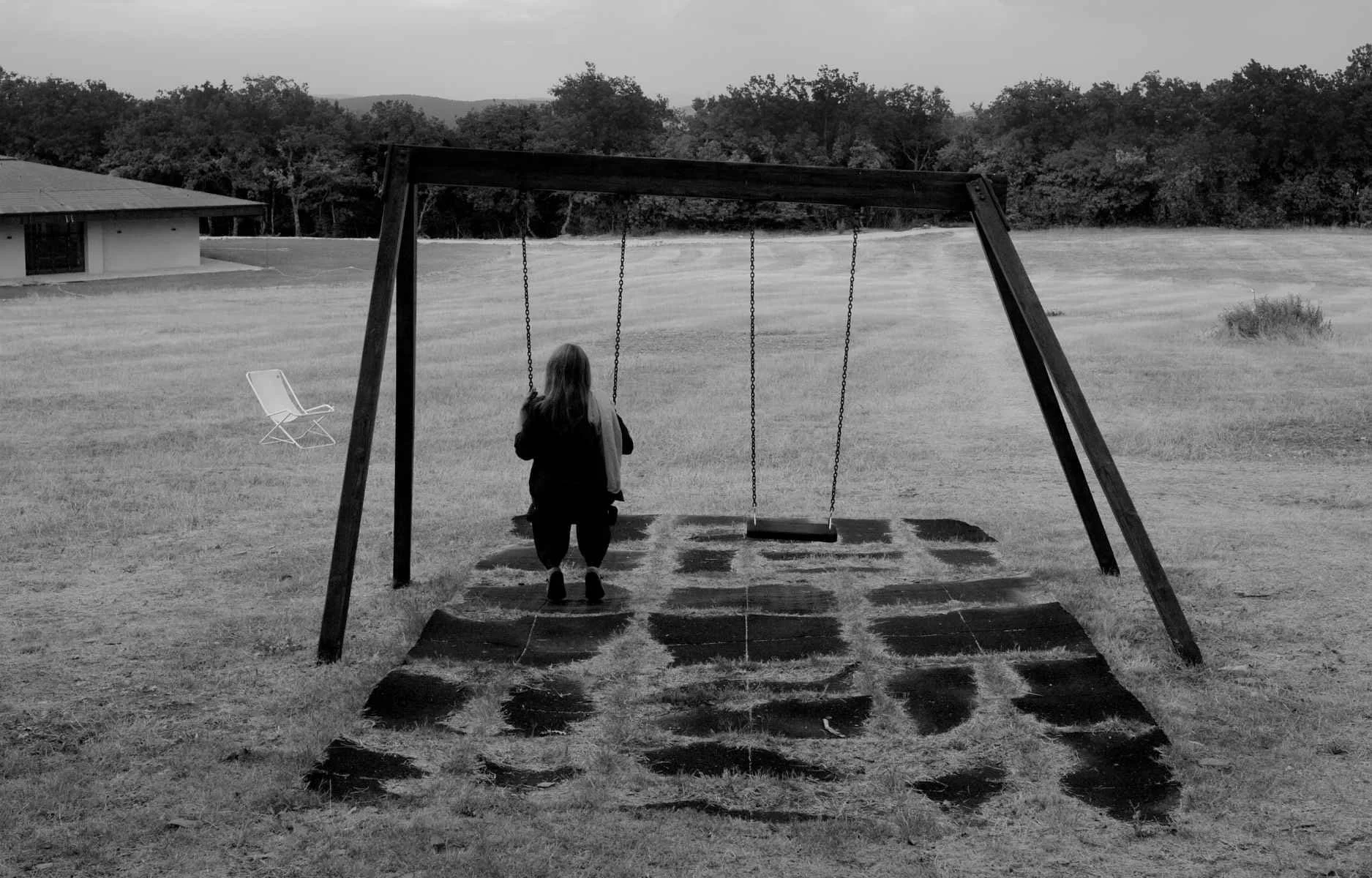
Digital self harm is a behaviour many parents have never heard of, yet it is becoming more common among children and teens navigating online spaces. Instead of physically hurting themselves, young people may anonymously post hurtful comments about themselves or seek negative reactions from others. These actions often stem from deep emotional distress, loneliness or a need for validation.
This article explains what digital self harm looks like, why it happens and the signs parents can gently look out for. It also offers supportive steps to help children feel heard, understood and safe both online and offline. You are not alone in this, and early awareness can make a meaningful difference.





How to Improve Self-Regulation for Misbehaviour
Why do children misbehave? How can parents deal with misbehaviour in a positive manner? Here are some tips by our clinical psychologist—Kirsty!

Overcoming School Refusal: A Parent’s Support Guide
School refusal is a child or teenager’s frequent refusal to attend school over a prolonged period of time for various reasons. This often becomes troubling for both the parent and child, so what can we do about it? Read on to find out!

30 Statements to Help Children Cultivate a Growth Mindset
We all have beliefs about our own abilities and potential – so do kids. These beliefs form part of our mindset, which is so powerful that they affect how we interpret our life experiences, drive our behaviours and predict our success.

6 Ways to Help Children with ADHD Study Better
Encouraging children (especially those with ADHD) to study can be an uphill battle. With patience and understanding, there are ways to collaborate with your child and take the fight out of homework time. Here are some ways you can help your child focus on what they’re doing and learn better.

Talking to Children About Loss, Death and Grief
Death can be a daunting topic to broach with children. What should you say? Should you even say it? The answer: although it may be tricky, we should speak to children about grief and loss. By allowing them to understand their emotions and validating their fears, you can help build healthy coping skills that allow them to deal with grief appropriately.

What Not to Say to Your Child (and What to Say Instead)
As a parent, you are constantly communicating with your child and as many of us know, words can be extremely powerful and our choice of words or phrases can have either a positive or negative impact on your child. So what should you not say to a child, and what should you say instead?

How to Raise Kind and Altruistic Children
Kindness and compassion are traits that parents value highly in their children. What can parents do to nurture kind children? Here are some tips that are effective in instilling kindness in children.

Balancing Screen Time with Learning and Play
Depending on how you manage and monitor your child’s screen time, there can be both benefits and risks associated with it. Read on for guidelines and tips on a healthy amount of screen time for your little one!

Self-Monitoring Behaviour - The What, Why and How
Self-monitoring is the capacity to observe (or measure) and evaluate one’s own behaviour. It is a crucial component of executive functioning. Read on for more information on why self-monitoring is important in children and a a step-by-step process that one can follow to implement self-monitoring behaviours in a child.

Positive Parenting - Behaviour Management
One way to guide your child’s behaviour so that they behave appropriately is by implementing positive behaviour management — giving attention to positive behaviours (e.g. through praises) instead of punishing them for negative behaviours. Here are some steps you can take to manage your child’s behaviour in a more positive and effective way.