
Setting Unrealistic Expectations on Toddlers
Toddlers can look “difficult” when adults expect skills their brains are not ready for yet, like impulse control, patience, or emotional regulation. This article explains what is developmentally normal, why learning is messy, and what to try instead: shrinking expectations, focusing on teaching (not testing), using simple in-the-moment scripts, and staying grounded when you feel judged or guilty.

5 Values-Based Family Activities for the Holidays
Looking for simple, meaningful ways to slow down and reconnect as a family this holiday? These five values-based activities are designed to nurture curiosity, empathy, teamwork, calm and emotional awareness. Each idea includes age-appropriate suggestions and guidance for both neurotypical and neurodivergent children, so you can tailor each moment to your child’s needs and your family’s rhythm.
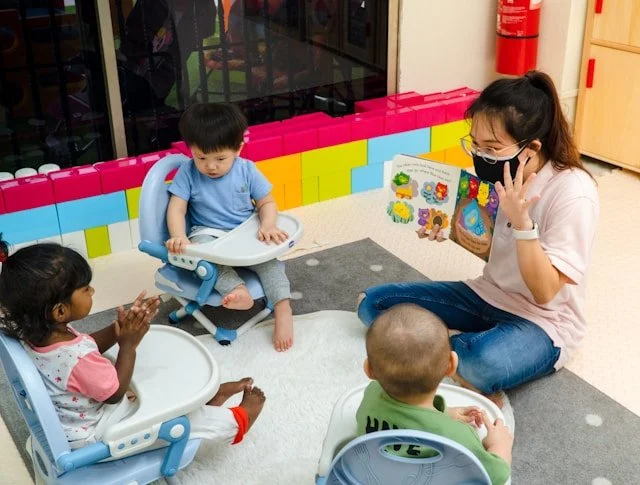
Starting Preschool: Helping Your Child Feel Secure
Preschool can bring big feelings for little ones, and parents too. This gentle guide shares practical ways to build familiarity, practise short separations, ease into routines, and partner with teachers so your child feels safe, settled, and ready to learn.

K2 to P1 Transition Guide for Parents and Kids
The transition from K2 to Primary One can feel exciting, overwhelming, or a mix of both for children and parents. New routines, growing independence, and big emotions are all part of this journey. This gentle guide helps families understand these feelings and navigate the shift together with confidence, connection, and compassion.

Understanding and Managing Tantrums in Young Children
Learn why tantrums happen and how to calm, guide, and support your child through emotional moments. Practical tips to manage tantrums with confidence and empathy.

Listening Beyond Words: How Art Helps You Hear Kids
When children struggle to express their feelings in words, art becomes a powerful way to connect. This article explores how drawing and creative play can reveal what your child is feeling and thinking, and how you can respond with curiosity and care.

儿童自闭症谱系障碍(ASD):理解、支持与治疗
自闭症谱系障碍是一种神经发育状况,会影响孩子如何感知世界、沟通及建立人际关系。每位在谱系上的孩子都有独特的优势、挑战和支持需求。本文将为家长介绍什么是自闭症、评估流程如何进行,以及家庭在日常生活中能采取的实际支持方式,帮助孩子在成长道路上更稳健自信。

Supporting Children with Anxiety: Parenting Tips
Parents often wonder how to tell the difference between normal childhood fears and anxiety in children. Fears are usually short-term and linked to clear triggers, while anxiety tends to be more persistent, harder to soothe, and can affect a child’s daily routines and well-being.

How Childhood Trauma Shapes a Child’s Identity and Adulthood
Childhood trauma doesn’t always come from big events — it can also stem from repeated stress, neglect, or feeling unsafe. These experiences shape how a child sees themselves, others, and the world. Left unaddressed, trauma can affect self-esteem, learning, and relationships well into adulthood. With the right support, children can heal, rebuild their sense of safety, and grow into resilient, confident individuals.

Understanding Sensory Processing Differences in Kids
Everyday sensations can feel overwhelming or barely noticeable for some children. Learn how to recognise sensory processing differences and support your child’s comfort and confidence.

A Parent’s Activity Guide to Mindfulness for Children
Mindfulness can help children manage big feelings, improve focus, and build resilience. Discover simple activities parents can try at home every day.

Building Resilience in Children: 10 Strategies for Parents
Resilience is like a muscle — it grows with practice and support. Discover 10 practical strategies parents can use to help children develop healthy coping skills and the confidence to face life’s challenges.


ADHD vs ASD: How Are They Different?
Understanding the differences between ADHD and Autism Spectrum Disorder can be confusing for many parents, especially when behaviours like inattention, emotional outbursts or social difficulties seem to overlap. While both conditions affect how children learn, communicate and navigate daily routines, they arise from different developmental patterns and require different kinds of support.
This article breaks down the key differences in a simple, approachable way so you can better understand your child’s strengths, challenges and needs. Whether you are exploring a diagnosis or simply looking for clarity, this guide offers reassurance and practical insights to help you make informed decisions for your child.


