
Starting Preschool: Helping Your Child Feel Secure
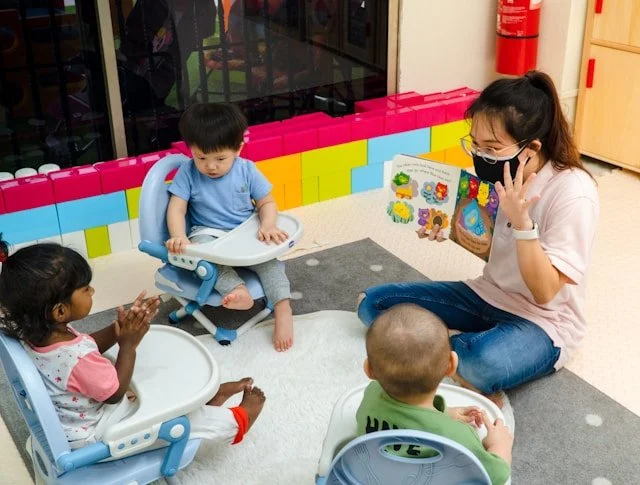
The start of preschool often sneaks up on families. One moment your little one is toddling around the house in pyjamas, and the next you’re buying school uniforms and wondering how they’ll manage without you.
If you’re feeling a mix of excitement, tenderness, and worry, you’re not alone. Preschool is a big milestone for both children and parents, so it makes sense to feel all sorts of emotions at once. This guide is here to walk alongside you, offering reassurance and simple ways to help you and your child feel safe and ready for this new adventure.
(1) Help School Feel Familiar, Not Scary
Children cope best when they know what to expect. You can gently introduce the preschool environment by:
Watching short videos of preschools together
Looking at the school’s photos or website
Visiting the school building or playground if it’s open
Talking about teachers, classrooms, toilets, handwashing stations, and play areas
You don’t need to give a full “tour guide” explanation, just small, matter-of-fact descriptions woven into everyday conversations. The more familiar a place feels, the less overwhelming it can be on Day 1.
(2) Share What Happens at Preschool
Young children feel safer when their preschool day feels predictable. You can talk about the simple activities they’ll do, such as:
Drawing and colouring
Singing songs
Listening to stories
Playing pretend
Building with blocks
Snack time
Outdoor play
These small conversations plant seeds of confidence: “I know what this place is about.”
(3) Build Little Skills
Preschool doesn’t expect perfection, and neither should we. Some children may still be learning how to:
Wear their own shoes
Wash their hands properly
Feed themselves
Use the toilet independently
Others may feel shy or need more time to warm up in social settings. You can support them by:
Planning gentle playdates
Spending unhurried time at playgrounds
Practising simple scripts like “Can I play with you?”
Narrating their courage: “That was brave of you to say hi!”
Each tiny attempt helps build confidence, even if it doesn’t look like much yet.
(4) Practice Short, Predictable Separations
It can be hard to see your child cry or cling when you leave, whether it’s with a caregiver or at school, but it might not always be a sign that something is wrong. Separation worries are common in young children and often ease as they learn that people can leave and come back. You might try:
Leaving them with a trusted caregiver for short periods, gradually increasing as they become more comfortable and confident
Using calm, consistent goodbyes (e.g. “Mummy will come back after your snack”)
Avoiding sudden disappearances which can feel confusing
For the first few weeks of preschool, think about what suits your child and you best:
Do you prefer teachers to take over confidently?
Or a slower transition with extra reassurance?
Share your preference openly with teachers. A clear plan helps everyone feel more settled.
(5) Ease Into the New Routine
Preschool often brings earlier mornings, new mealtimes, or different caregivers doing drop-off or pick-up. Children cope best with change when it happens gradually. If possible, start easing into:
Wake-up times
Nap times
Meal or snack schedules
“School day” routines like packing bags or choosing shoes
Predictability softens the emotional load and can make mornings calmer for the whole family.
(6) Read Stories About Starting School
Picture books create safe spaces for children to explore feelings. They help them see that being nervous, curious, excited, or all the above, is normal.
Visiting the library together and letting your child help choose the books can also give them a sense of control during a time of change. As you read, pause to look at the pictures and ask questions like, “What do you think will happen next?” or “How do you think they’re feeling?” Let your child lead the conversation.
Here are some favourite picture books about starting preschool:
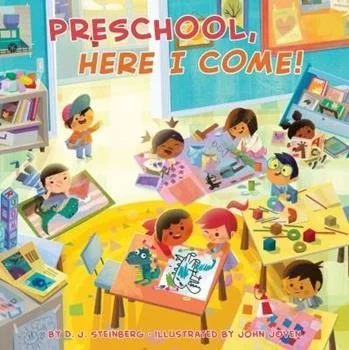
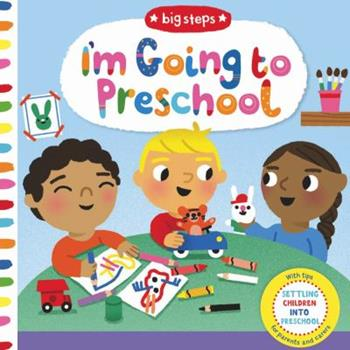

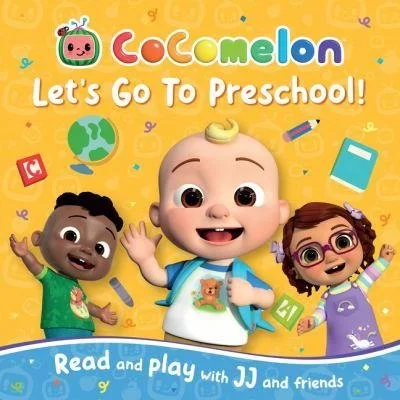
(7) Expect Big Feelings (For Both of You)
Crying, clinging, or not wanting to let go are very common in the first few weeks. Even children who seem confident can wobble once the novelty wears off. Transitions stretch parents just as much as children and you’re learning too. Our role is not to make uncomfortable feelings disappear, but to help children feel safe while they’re having them. You might try:
Staying calm, even if your heart aches
Using validating language like “It’s okay to feel sad. This is new and unfamiliar.”
Trusting teachers to take over
Giving yourself permission to feel emotional as well
(8) Connect Early with Teachers
You don’t have to do this alone. Educators truly want to support both you and your child, and a little communication goes a long way. It helps to share:
Your child’s routines
What comforts or soothes them
Any shy or anxious tendencies
Recent family changes
Any worries you might have
When adults work as a team, children feel safer and more supported.
You’re Doing Better Than You Think
There will be wobbles and triumphs, tears and smiles. Some days will feel hard, while others will surprise you. But each day, your child grows a little more confident, and so do you.
This is a big step. Be gentle with your child, and with yourself.