
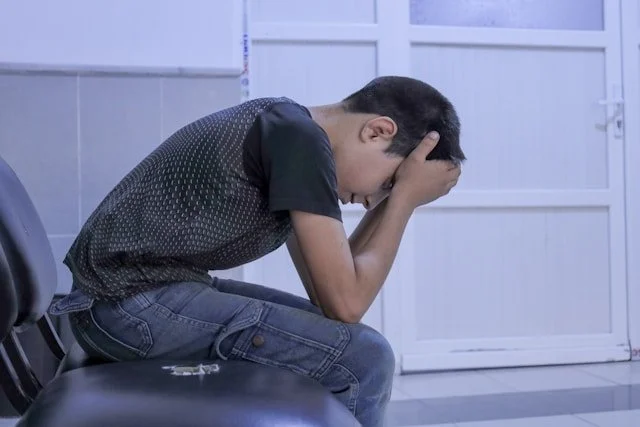
Supporting Children with Anxiety: Signs and Help
Childhood anxiety is common, but it can become overwhelming when it disrupts sleep, school, or friendships. Learn how to spot anxiety early and respond with validation, gentle exposure, calming tools, and steady routines.

3 Shows to Watch With Your Teen: Conversation Starters
Some of the best teen conversations happen side-by-side, not face-to-face. Watching a show together can make it easier to talk about anxiety, emotions, identity, and the online world without it feeling like a “big talk”. Here are three teen-friendly picks, what to watch out for, and gentle questions you can use to open the door.

5 Things Not to Say to Your Child, and What to Say
When children are upset or misbehaving, it’s easy to blurt out quick phrases like “Calm down” or “What’s wrong with you?” But these lines often dismiss emotions, shame the child, or leave them unsure what to do differently next time. This page shares five common phrases to avoid and simple, practical alternatives that validate feelings, set clear boundaries, and guide behaviour. The goal is not perfect parenting, but more helpful communication that builds trust, emotional safety, and healthier coping over time.

8World Tuesday Report <Troubled Youths: Anxiety>
When anxiety shows up in our teens, it can be hard for parents to know what is really going on beneath the surface. In this article, Clinical Psychologist Lisa reflects on three youths featured in 8World’s Tuesday Report – Troubled Youths: Anxiety, and gently explores how expectations, loss and school stress affect them, and what parents can do to better support anxious teens at home.
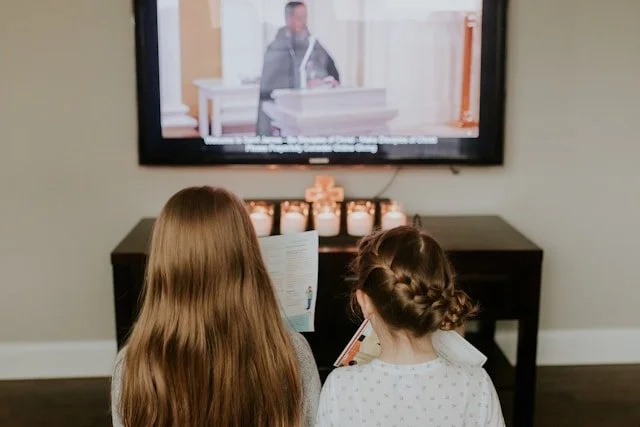
How to Talk to Your Child After Distressing News
Scary headlines can unsettle children, even when the event happened far away. If your child is clingy, worried, or asking repeated questions, they are seeking safety. Here are practical ways to respond, limit exposure, and help your child feel calmer and steadier again.

Caffeine Pouches: A “Better” Alternative to Coffee? Think Again.
Caffeine pouches are gaining popularity overseas, often marketed as a cleaner, “healthier” energy boost. But beneath the minty packaging lies a potent stimulant that can affect your child’s physical and emotional wellbeing. This article explores why teens may be drawn to caffeine pouches, the hidden risks, and how parents can respond with calm, supportive guidance.
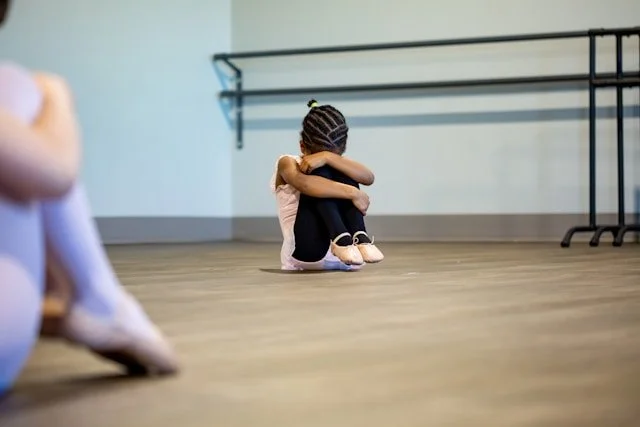
Supporting Children with Anxiety: Parenting Tips
Parents often wonder how to tell the difference between normal childhood fears and anxiety in children. Fears are usually short-term and linked to clear triggers, while anxiety tends to be more persistent, harder to soothe, and can affect a child’s daily routines and well-being.

How Childhood Trauma Shapes a Child’s Identity and Adulthood
Childhood trauma doesn’t always come from big events — it can also stem from repeated stress, neglect, or feeling unsafe. These experiences shape how a child sees themselves, others, and the world. Left unaddressed, trauma can affect self-esteem, learning, and relationships well into adulthood. With the right support, children can heal, rebuild their sense of safety, and grow into resilient, confident individuals.

A Parent’s Activity Guide to Mindfulness for Children
Mindfulness can help children manage big feelings, improve focus, and build resilience. Discover simple activities parents can try at home every day.

PSLE Season: Support Your Child Without Pressure
PSLE season can feel stressful for both children and parents. This article shares gentle, practical ways to support your child without adding pressure, from focusing on effort to celebrating small wins and reminding them they are more than their grades.

Understanding Kpods and Teens: A Parent’s Guide
Hearing that your teen may be using Kpods can be distressing, but you’re not alone. This guide helps parents understand the reasons behind youth substance use, how to talk to your child with empathy, and how to set safe, supportive boundaries while staying connected.
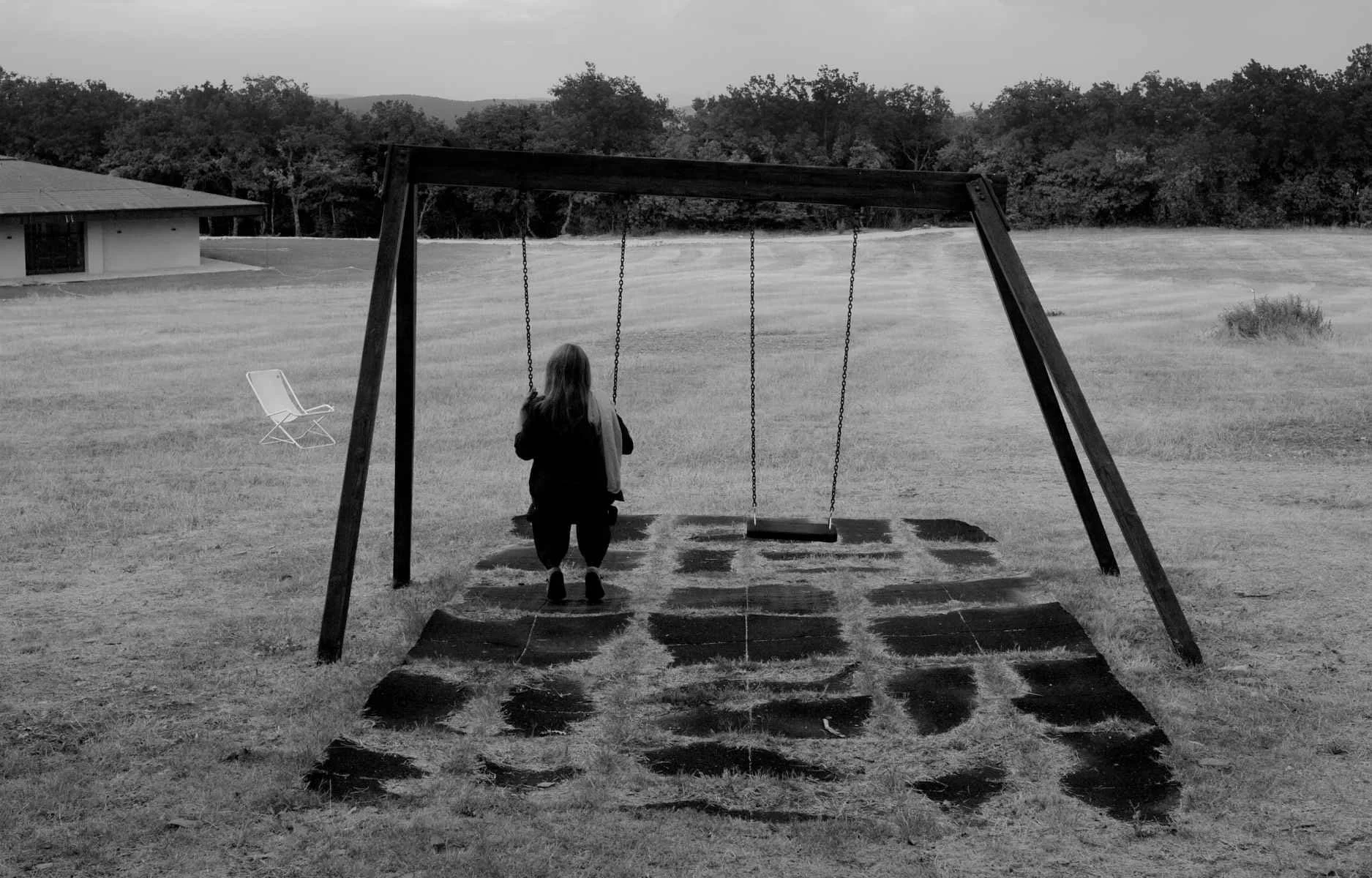


Dealing with Fear in Children
Fear can be overwhelming for children, but there are steps you can take to support your child. Read this article to learn helpful tips for helping your child face and overcome their fears.

Overcoming School Refusal: A Parent’s Support Guide
School refusal is a child or teenager’s frequent refusal to attend school over a prolonged period of time for various reasons. This often becomes troubling for both the parent and child, so what can we do about it? Read on to find out!
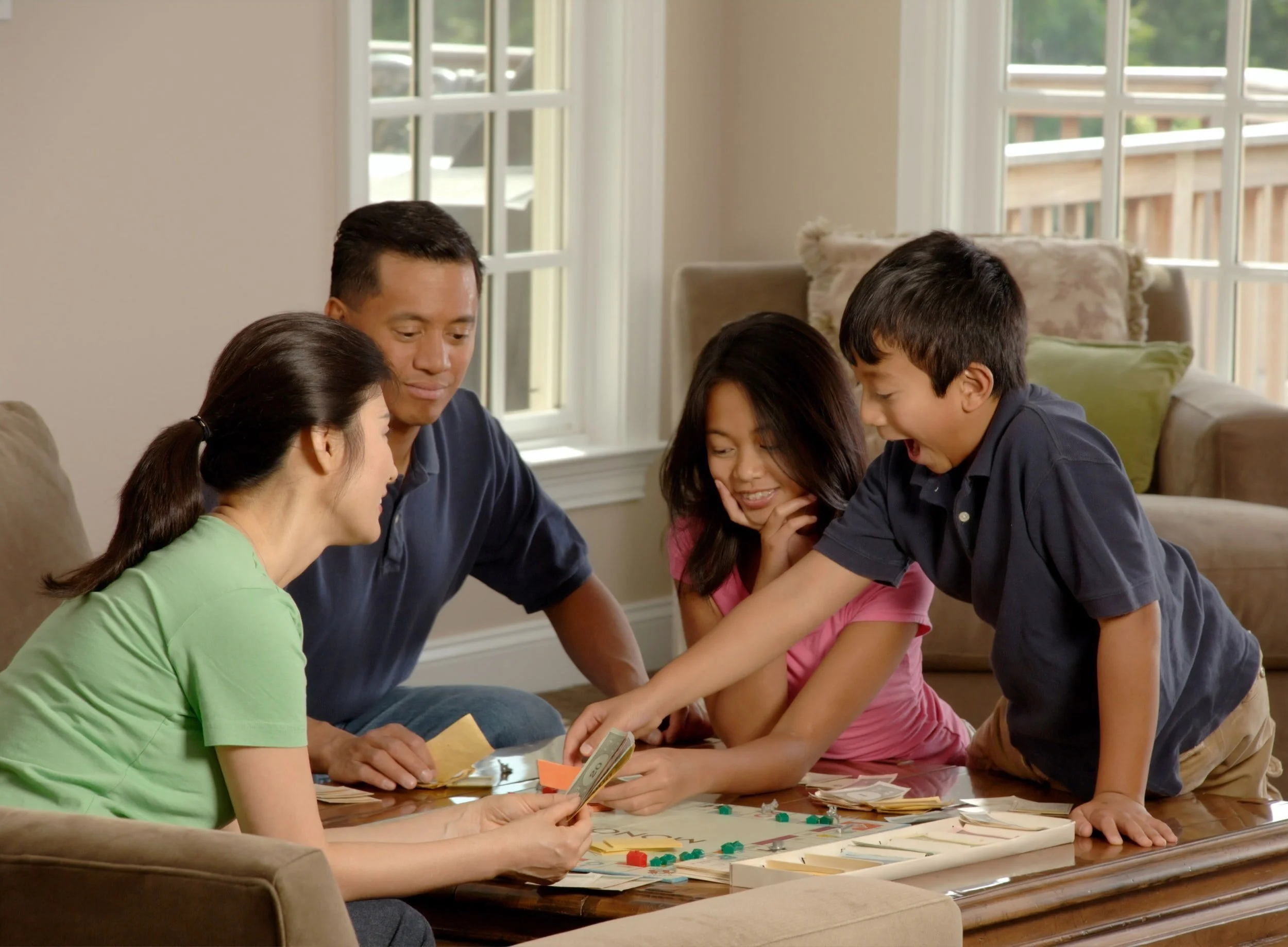
Helping Primary School Children Manage Stress
That’s right, even 7 year olds get stressed! Entering primary school for the first time, being in an entirely new environment, and learning new things every day - its overwhelming stuff. So how can parents support their children during this period?