
How to Talk to Your Child After Distressing News
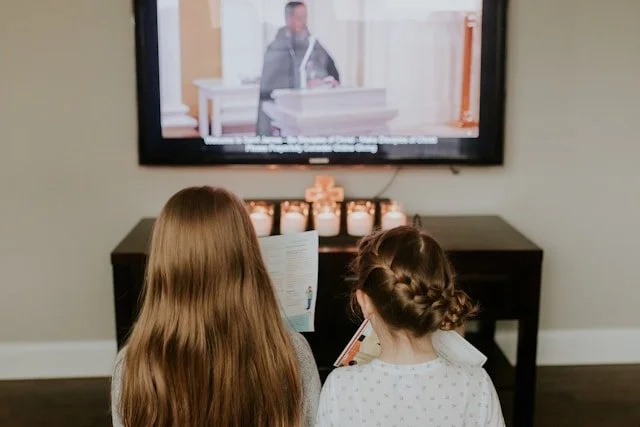
When scary headlines reach your child, here’s what helps.
Traumatic news can shake children even when it happens far away. They might hear snippets from friends, catch a clip online, or sense adult stress. Some children become clingy, irritable, teary, or unusually quiet. Others ask the same questions repeatedly. These are common signs a child is trying to feel safe again.
Here are gentle, practical ways to support them.
1) Start with you: calm bodies calm bodies
Before you explain anything, take one slow breath. Your child often reads your tone and face more than your words. If you feel flooded, it’s okay to pause and say, “I’m feeling a bit shaken too, I’m going to take a breath and we’ll talk.”
Further reading for parents: Stress Management for Parents.
2) Ask what they heard first
Start with:
“What did you hear?”
“What do you think happened?”
“What worries you the most about it?”
This helps you correct misunderstandings gently, without accidentally adding scary details they did not have.
3) Keep explanations simple, true, and age-appropriate
Aim for the smallest truthful explanation that reassures safety right now.
Examples:
“Something bad happened, and it’s normal to feel upset. We are safe here.”
“Grown-ups and helpers are working on it.”
“You can always ask me questions.”
For younger children, less detail is usually better. For older children and teens, focus on context, facts, and what is being done.
4) Limit exposure and protect their feed
Repeated updates and graphic footage can make a child’s brain feel like danger is still happening.
Helpful steps:
Turn off autoplay and news notifications.
Avoid watching distressing videos when children are nearby.
For older kids, agree on boundaries like “no videos about this, only short written updates”.
Further reading on digital wellbeing: Understanding AI Risks and Protecting Your Child.
If your child is distressed online, this may also be relevant: Digital Self Harm in Kids: Signs and How Parents Can Help.
5) Validate feelings, then offer coping
Try:
“That sounds scary. I’m glad you told me.”
“It makes sense your body feels jumpy.”
“Let’s do something that helps your body feel calmer.”
If anxiety is showing up strongly (stomach aches, reassurance-seeking, avoidance), you can use more structured support.
Further reading: Supporting Children with Anxiety: Practical Tips for Parents.
6) Ground them in the present (kid-friendly)
Grounding means helping the body notice: “I’m here, I’m safe enough right now.”
Try:
Bubble breathing: smell the flower, blow the candle (3 rounds)
5 senses game: 5 things you see, 4 you feel, 3 you hear, 2 you smell, 1 you taste
Heavy work: wall push-ups, carrying a small bag of books, slow animal walks
Further reading: Mindfulness for Kids: Benefits and Activities for Parents.
7) Keep routines steady
After scary news, routines are a quiet way of saying: “Life is still predictable.”
Focus on:
regular meals and hydration
bedtime routine and consistent wake time
familiar activities (play, story time, a walk)
Further reading: Routines.
8) Build a sense of safety and agency
Children cope better when they feel they can do something, even small.
Ideas:
write a kind note to someone
do a “helpers list” (people who keep others safe: medics, firefighters, teachers)
choose one calming activity for the evening (park, music, drawing)
Further reading: Building Resilience in Children: 10 Strategies for Parents.
9) Know when to seek extra support
Consider professional support if your child:
has persistent nightmares or sleep disruption
becomes unusually withdrawn, tearful, or reactive for more than a couple of weeks
shows strong separation distress, regression, or frequent body complaints
avoids school or daily activities due to fear
keeps replaying the event and cannot settle
If certain dates or reminders repeatedly trigger distress, this may also help: Supporting Your Child Through Trauma Anniversaries.
When traumatic news reaches children, the goal is not to remove every worry, but to help them feel safe enough again, one moment at a time. Keep your responses calm and simple, check what they have heard, reduce repeated exposure, and return to steady routines that signal security. Small grounding steps, connection, and reassurance often do more than lengthy explanations.
If your child’s distress lingers, disrupts sleep, or affects daily life, reaching out for professional support can help your family feel steadier and supported as you move through it together.