

Making Co-Parenting More Manageable: What Can Help
Co-parenting after separation is less about “getting along” and more about creating stability for your child. These simple, child-centred tips can help reduce conflict, improve communication, and protect your child’s emotional security across both homes.

Irritability in Kids: When Anger Signals Deeper Feelings
Irritability in children is often misunderstood as defiance. Learn how anger may reflect sadness, anxiety, or overwhelm, and how to respond in a supportive, effective way.

Night-Time Worries in Kids: Helping Them Settle Calmly
Bedtime worries are common in children and can make nights stressful. Learn why anxiety shows up at night and how to support your child with calm, consistent strategies.

Body-Based Anxiety in Children: When Pain Signals Worry
When children complain of stomachaches or headaches without a clear cause, anxiety may be showing up in the body. Learn how to recognise patterns and support your child effectively.

Social Burnout in Kids: When Activities Become Too Much
When children feel overwhelmed by playdates or activities, it may be social burnout. Learn the signs and how to support your child with better balance and recovery time.

Stealing in Children: Why It Happens and How to Respond
Stealing in children can feel concerning, but it often reflects development and unmet needs. Learn how to respond calmly while setting firm boundaries and teaching responsibility.

Lying in Children: What It Means and How to Respond
Lying in children can feel concerning, but it is often part of development. Learn why children lie and how calm, supportive responses can build honesty and trust over time.

When Children Use Hurtful Words: How Parents Can Respond
When children say hurtful things, it can feel shocking and personal. Learn why it happens and how calm, consistent responses can help your child express emotions in healthier ways.

Demand Avoidance in Children: When Requests Feel Overwhelming
Some children react strongly to everyday requests, not out of defiance, but because the demand feels overwhelming. Demand avoidance in children is often linked to anxiety and a need for control. This article explains how it shows up and offers practical ways parents can reduce pressure, support regulation, and improve cooperation over time.

5 Benefits of Occupational Therapy for Children with ADHD and Autism
Occupational therapy can support children with ADHD and Autism (ASD) in practical, everyday ways. Learn how OT helps with attention, sensory regulation, fine motor skills, independence, and social participation.

Oppositional Behaviour or Overwhelm? How to Tell
Children who argue, refuse, or seem defiant may not always be choosing to misbehave. Sometimes, these behaviours reflect overwhelm rather than opposition. This article helps parents understand the difference, recognise key patterns, and respond in ways that reduce conflict while building emotional regulation and cooperation over time.

Low Frustration Tolerance in Children: Helping Them Cope
Some children become overwhelmed quickly when things feel difficult or do not go as expected. Low frustration tolerance can lead to meltdowns, avoidance, and reduced confidence. This article explains why it happens and shares practical, everyday strategies to help children build resilience, cope with challenges, and keep trying even when things feel hard.

Fear of Making Mistakes: Helping Children Cope Better
Some children become highly distressed by small mistakes or avoid tasks altogether if they feel unsure. This article explores child fear of failure, why it develops, and how parents can support children in coping with mistakes, building resilience, and approaching learning with greater confidence over time.

Perfectionism in Children: When Success Feels Stressful
Some children appear to be doing well, yet feel intense pressure to be perfect. Child perfectionism anxiety can lead to distress, avoidance, and loss of confidence over time. This article explains the signs and causes, and shares practical ways parents can support children in developing a healthier, more balanced approach to success.
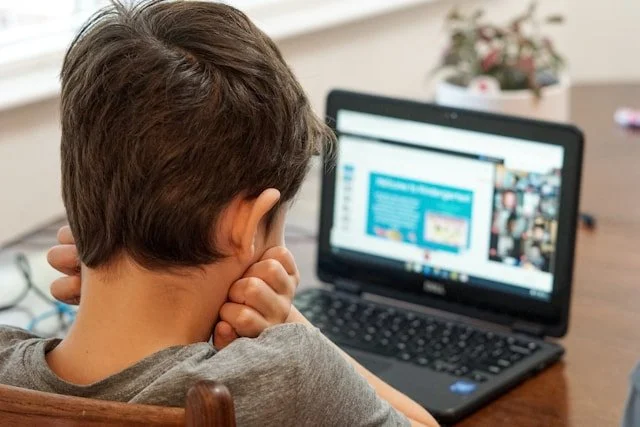
Selective Mutism: When Children Cannot Speak at School
Selective mutism is an anxiety-related condition where children can speak but feel unable to do so in certain settings, such as school. This article explains the signs, causes, and how parents and teachers can support children through gentle, gradual strategies that reduce pressure and build confidence over time.
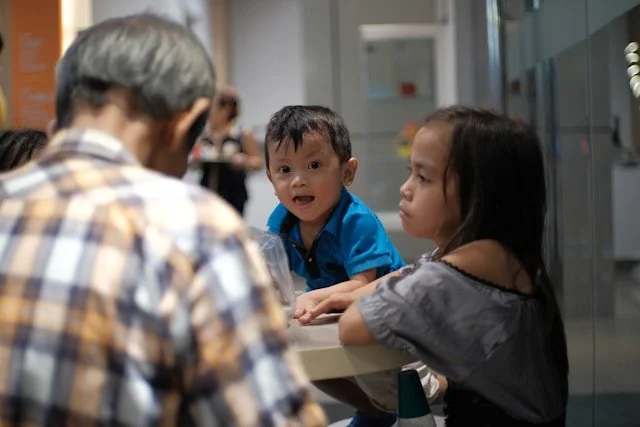
Autism and Transitions at Home: Reducing Meltdowns
Transitions at home can be especially challenging for children with autism, often leading to stress or meltdowns. By using simple micro-routines, visual supports, and consistent cues, parents can help children move between activities more smoothly. This article shares practical, everyday strategies to reduce overwhelm and support emotional regulation during transitions.
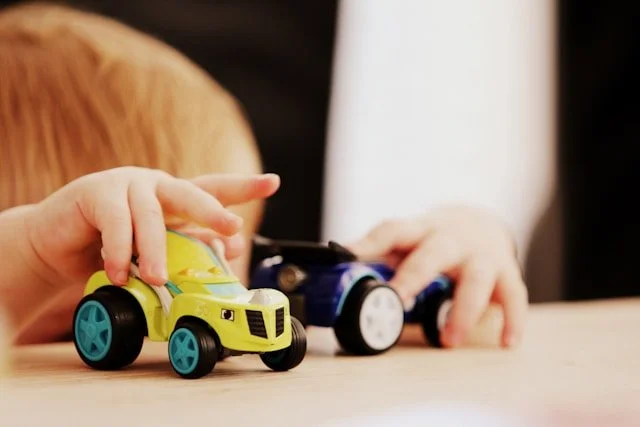
Autism and Play: Supporting Play Skills in Daily Life
Play may look different in children with autism, but it remains an important part of development. By following a child’s interests and gently expanding their play, parents can support communication, social interaction, and learning in natural ways. This article shares practical strategies to help build play skills through simple, everyday moments at home.
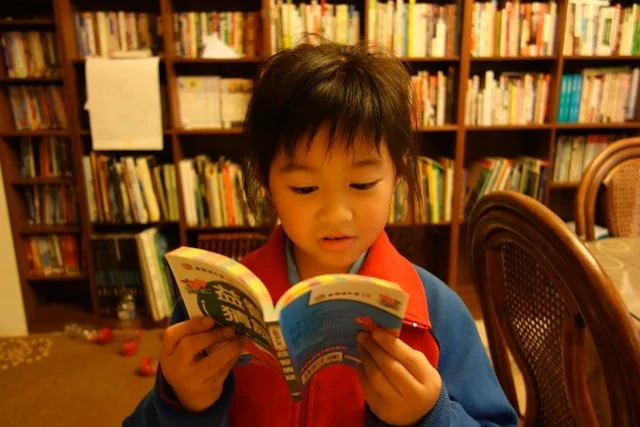
Autism Special Interests: Supporting Learning and Connection
Special interests in autism are often deeply engaging and meaningful for children. While they may appear repetitive, these focused interests can support learning, emotional regulation, and communication when used intentionally. This article explains why special interests matter and offers practical ways parents can use them to build connection, support development, and gently encourage flexibility over time.
Rigid Thinking in Autism: Helping Children Cope with Change
Rigid thinking in children with autism often reflects a need for predictability and difficulty coping with change. What may seem like resistance is usually a response to uncertainty, anxiety, or feeling overwhelmed. This article explains why flexibility can be challenging and offers practical ways to support children in adapting to change gradually, while helping them feel safe, understood, and more confident over time.

Children and Their Relationship with Food: A Guide
Children learn about food through everyday experiences, from family meals to the language adults use around eating and bodies. These early messages can shape how they understand hunger, fullness, and self-worth over time. This article explores how children develop their relationship with food and offers gentle, practical ways parents can support healthy eating habits and positive body image.