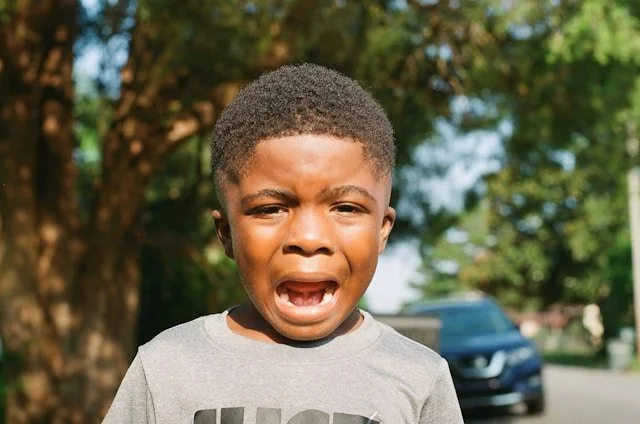
Irritability in Kids: When Anger Signals Deeper Feelings
Irritability in children is often misunderstood as defiance. Learn how anger may reflect sadness, anxiety, or overwhelm, and how to respond in a supportive, effective way.
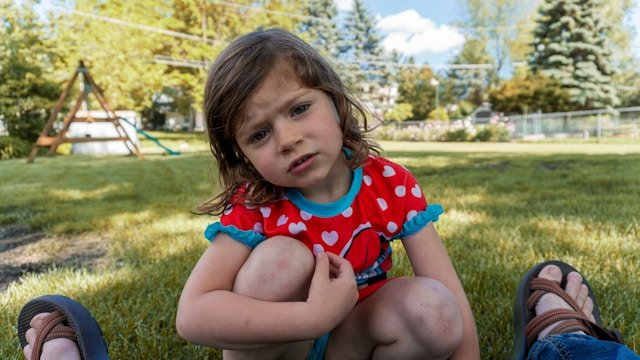
Body-Based Anxiety in Children: When Pain Signals Worry
When children complain of stomachaches or headaches without a clear cause, anxiety may be showing up in the body. Learn how to recognise patterns and support your child effectively.

Stealing in Children: Why It Happens and How to Respond
Stealing in children can feel concerning, but it often reflects development and unmet needs. Learn how to respond calmly while setting firm boundaries and teaching responsibility.

Lying in Children: What It Means and How to Respond
Lying in children can feel concerning, but it is often part of development. Learn why children lie and how calm, supportive responses can build honesty and trust over time.

When Children Use Hurtful Words: How Parents Can Respond
When children say hurtful things, it can feel shocking and personal. Learn why it happens and how calm, consistent responses can help your child express emotions in healthier ways.

5 Benefits of Occupational Therapy for Children with ADHD and Autism
Occupational therapy can support children with ADHD and Autism (ASD) in practical, everyday ways. Learn how OT helps with attention, sensory regulation, fine motor skills, independence, and social participation.

ACT Skills for Kids: Handling Worry with Confidence
Worry is a normal part of childhood, especially as children learn to navigate friendships, school pressures, and unfamiliar situations. This article explores simple ACT skills for kids that help children respond to anxious thoughts and feelings without getting stuck in them. From noticing “worry thoughts” to taking small brave steps, these strategies can help children build confidence, flexibility, and emotional resilience.
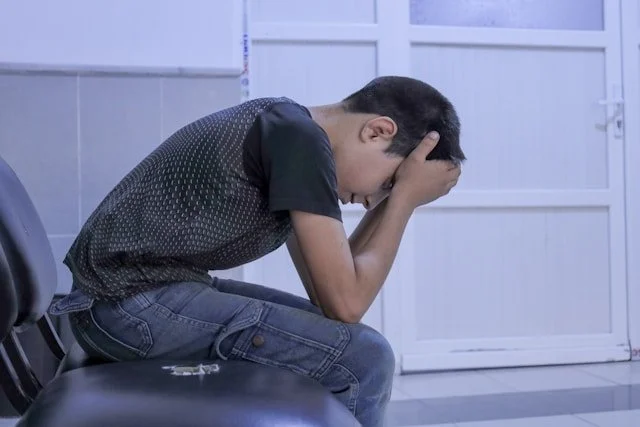
Supporting Children with Anxiety: Signs and Help
Childhood anxiety is common, but it can become overwhelming when it disrupts sleep, school, or friendships. Learn how to spot anxiety early and respond with validation, gentle exposure, calming tools, and steady routines.
Child Lying and Stealing: Why It Happens and What Helps
When a child lies or takes something, it can feel alarming. Often, it reflects development, stress, or unmet needs, not “bad character”. Learn what helps.
Helping Children Build Planning and Organisation Skills
If your child forgets homework, struggles to start tasks, or leaves projects to the last minute, it may be an executive function gap, not laziness. Here’s how to teach planning and organisation step by step.
Setting Unrealistic Expectations on Toddlers
Toddlers can look “difficult” when adults expect skills their brains are not ready for yet, like impulse control, patience, or emotional regulation. This article explains what is developmentally normal, why learning is messy, and what to try instead: shrinking expectations, focusing on teaching (not testing), using simple in-the-moment scripts, and staying grounded when you feel judged or guilty.
Understanding and Managing Tantrums in Young Children
Learn why tantrums happen and how to calm, guide, and support your child through emotional moments. Practical tips to manage tantrums with confidence and empathy.

Caffeine Pouches: A “Better” Alternative to Coffee? Think Again.
Caffeine pouches are gaining popularity overseas, often marketed as a cleaner, “healthier” energy boost. But beneath the minty packaging lies a potent stimulant that can affect your child’s physical and emotional wellbeing. This article explores why teens may be drawn to caffeine pouches, the hidden risks, and how parents can respond with calm, supportive guidance.
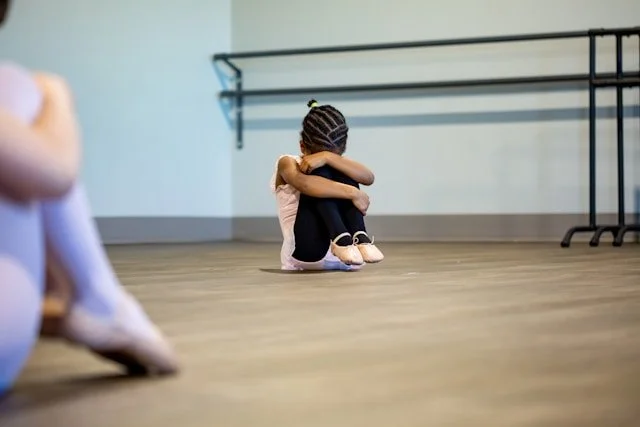
Supporting Children with Anxiety: Parenting Tips
Parents often wonder how to tell the difference between normal childhood fears and anxiety in children. Fears are usually short-term and linked to clear triggers, while anxiety tends to be more persistent, harder to soothe, and can affect a child’s daily routines and well-being.

Understanding Sensory Processing Differences in Kids
Everyday sensations can feel overwhelming or barely noticeable for some children. Learn how to recognise sensory processing differences and support your child’s comfort and confidence.

A Parent’s Activity Guide to Mindfulness for Children
Mindfulness can help children manage big feelings, improve focus, and build resilience. Discover simple activities parents can try at home every day.


Routines for Children: Waiting, Bath Time, and Transitions
Routines help children feel safe, but real life is messy and transitions can be hard. Learn practical, Hanen-inspired ways to teach waiting, make bath time smoother, and support calmer transitions with simple cues and playful structure.

Understanding and Managing Whining in Children
Whining is a normal part of child development—but when left unaddressed, it can become a frustrating habit. Learn how to identify the reasons behind whining and apply simple, effective strategies to help your child communicate calmly and respectfully.

5 Ways to Talk to Your Kids About Bullying
Bullying can affect a child’s confidence, sense of safety, and mental health. As a parent, how you respond matters. This article explores five simple but effective ways to talk to your child about bullying—whether they’re a victim, bystander, or unsure of how to speak up. Learn how to guide these conversations with empathy, clarity, and confidence.