Setting Unrealistic Expectations on Toddlers
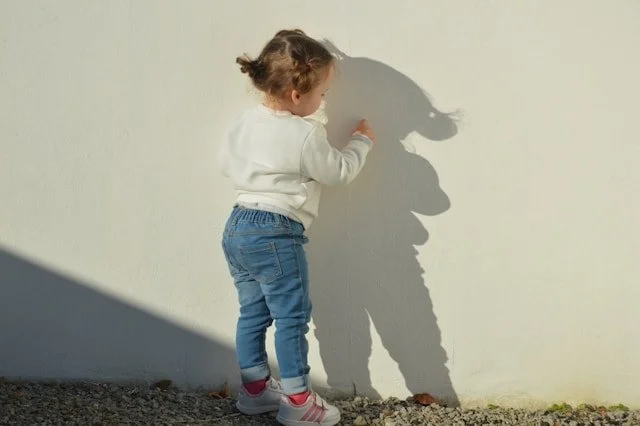
Have you ever caught yourself thinking, “Shouldn’t they know by now”? Many adults, even with the best intentions, unknowingly hold unrealistic expectations of toddlers and expect them to behave like mini adults.
And it is not just a parenting issue. Families, relatives, and even strangers often expect toddler behaviour to match adult standards, even when those expectations do not fit a toddler’s age or stage of development.
We might expect toddlers to:
Sit quietly through long gatherings, even though their attention spans are short
Understand that hitting hurts, when empathy is still growing
Stop having meltdowns “for no reason,” when they are still learning emotional regulation
Stay calm on command, when impulse control takes years to develop
Say “thank you” or “sorry,” when social understanding is still emerging
But toddlers are not being difficult on purpose. Their brains are still developing, and they are learning how to manage emotions, follow rules, and cope with social expectations.
If this has been feeling frustrating lately, here is a gentle reminder:
Toddlers are still learning.
And learning is messy.
Our Toddlers Are Still Growing & Developing
Brain development
Toddlers’ brains are not yet ready for full self-control, patience, or impulse management. These skills develop gradually over time.
Emotional regulation
Toddlers experience big emotions but do not yet know how to calm themselves. Crying, tantrums, and clinginess are part of how they learn to cope.
Language and communication
Limited words makes it hard for toddlers to express what they truly feel or need, often leading to frustration.
Social interactions
Skills like sharing, waiting for turns, and using polite words feel uncomfortable and effortful at this stage.
Independence and attachment
Toddlers want independence but still need reassurance, comfort, and guidance from adults they trust.
What You Can Try
Shrink the expectation to match their age
Instead of “Sit still for the whole dinner”, try: “Sit with us for two spoons full, then you can take a break.”
Small, achievable expectations are more realistic and more supportive of toddler development.
Focus on teaching, not testing
If your toddler keeps forgetting, it does not mean they are not learning. It usually means they need repetition, structure, and your calm presence to guide them through the skill again.
Use simple scripts in the moment (for your toddler)
Keep your words short, steady, and clear:
“You’re angry, but no hitting.”
“Gentle hands.”
“I’m here. Let’s breathe together.”
“It’s okay to be upset. It’s not okay to hurt others.”
Scripts for relatives or strangers (when you feel judged)
If you need a polite way to hold your ground, you might say:
“They’re still learning. We’re working on it.”
“Waiting is really hard for toddlers. We’ll keep practising.”
“Thanks for your concern, I’ve got it.”
A script for yourself (when guilt shows up)
“My child is not a mini adult. I am allowed to adjust my expectations.”
“This is a teaching moment, not a parenting failure.”
Why Adjusting Expectations Helps
When expectations are too big, everyone struggles. Toddlers feel overwhelmed, and parents feel stressed. This often leads to power struggles, shouting, and guilt.
It helps to remember that toddler behaviour is not about obedience. It is about learning skills that are still developing.