
When Your Child Is Diagnosed with Autism
If your child has just been diagnosed with autism, this guide helps you process the emotions, understand your child, and take things one step at a time.

Autism Masking in Children: Why Some Kids Hide It
Some children appear calm and well-behaved at school but become overwhelmed or emotional once they return home. This pattern may be linked to autism masking, where children consciously hide behaviours associated with autism in order to fit in socially. In this article, we explore why some autistic children mask their difficulties, the emotional toll it can take, and how parents can better support their child after a long day of holding everything in.

Supporting Neurodivergent Children at Mealtimes
Mealtimes can be particularly challenging for children with autism or ADHD. Sensory sensitivities, attention differences, and motor coordination can all affect how a child experiences food and the dining environment. This article explores practical, compassionate strategies to support neurodivergent children at mealtimes while creating a calmer and more supportive family routine.

Setting Unrealistic Expectations on Toddlers
Toddlers can look “difficult” when adults expect skills their brains are not ready for yet, like impulse control, patience, or emotional regulation. This article explains what is developmentally normal, why learning is messy, and what to try instead: shrinking expectations, focusing on teaching (not testing), using simple in-the-moment scripts, and staying grounded when you feel judged or guilty.
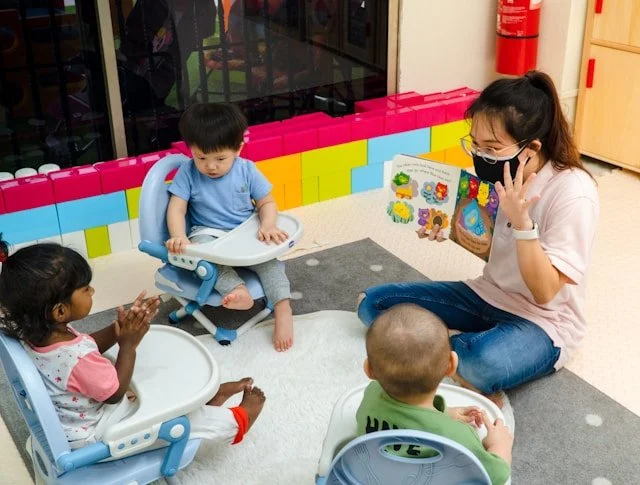
Starting Preschool: Helping Your Child Feel Secure
Preschool can bring big feelings for little ones, and parents too. This gentle guide shares practical ways to build familiarity, practise short separations, ease into routines, and partner with teachers so your child feels safe, settled, and ready to learn.

K2 to P1 Transition Guide for Parents and Kids
The transition from K2 to Primary One can feel exciting, overwhelming, or a mix of both for children and parents. New routines, growing independence, and big emotions are all part of this journey. This gentle guide helps families understand these feelings and navigate the shift together with confidence, connection, and compassion.

Understanding and Managing Tantrums in Young Children
Learn why tantrums happen and how to calm, guide, and support your child through emotional moments. Practical tips to manage tantrums with confidence and empathy.

Routines for Children: Waiting, Bath Time, and Transitions
Routines help children feel safe, but real life is messy and transitions can be hard. Learn practical, Hanen-inspired ways to teach waiting, make bath time smoother, and support calmer transitions with simple cues and playful structure.


Overcoming School Refusal: A Parent’s Support Guide
School refusal is a child or teenager’s frequent refusal to attend school over a prolonged period of time for various reasons. This often becomes troubling for both the parent and child, so what can we do about it? Read on to find out!
Feeding Tips to Support Your Child at Mealtimes
Mealtimes can bring both connection and stress, especially when children refuse food, resist trying new things, or want extra help eating. This article shares gentle, practical feeding tips to support your child’s relationship with food while making family meals feel calmer, more structured, and more positive.

How to Get Your Child to Eat Vegetables: For Parents
Ah, the age-old struggle that many parents face. Picky eaters, tantrums at the dining table, we’ve heard it all. Try these simple tips to get them to enjoy their vegetables and meet their nutritional needs.