Autism Masking in Children: Why Some Kids Hide It
Why some autistic children appear to cope at school but experience emotional meltdowns at home, and how parents can better understand and support them.
Many parents notice a confusing pattern. Their child appears calm and well-behaved at school, yet becomes overwhelmed, emotional, or irritable once they return home. Teachers may report that the child is coping well in class, while parents see meltdowns, exhaustion, or emotional outbursts after school.
This experience is more common than many families realise. For some children, this pattern may be related to masking. Understanding autism masking in children can help parents better understand their child’s experiences and provide the right kind of support.
What Is Autism Masking?
Autism masking refers to the effort a child makes to hide or suppress behaviours associated with autism in order to fit in socially. Many children with autism learn to closely observe how their peers behave and attempt to imitate those behaviours so they do not stand out.
For example, a child may consciously remind themselves to make eye contact, copy how classmates speak during conversations, or stay unusually quiet during group activities to avoid drawing attention. Some children also suppress behaviours that help them regulate, such as stimming or fidgeting.
Autism masking in children is increasingly recognised as a common experience, particularly among children who strongly want to fit in socially but may find social communication or sensory environments challenging (Dean et al., 2017).
Common examples of masking behaviours include:
forcing eye contact even when it feels uncomfortable
copying how classmates speak or interact
suppressing stimming behaviours such as rocking, hand movements, or fidgeting
hiding confusion during conversations or classroom instructions
Although masking may help children navigate social environments, it often requires considerable mental and emotional effort.
Why Do Some Children with Autism Mask Their Difficulties?
Children with autism rarely mask because they want to deceive others. In most cases, masking develops gradually as a way of coping with social expectations and avoiding negative experiences.
Many children are aware that their behaviours are different from those of their peers. Over time, they may try to imitate others in order to avoid teasing, rejection, or social isolation. The desire to belong becomes particularly strong during the school years, which can increase the pressure to blend in.
Children also quickly learn which behaviours attract correction or criticism from adults. If a child is frequently told to stop fidgeting, avoid certain movements, or behave in a more socially expected way, they may begin suppressing these behaviours even when doing so feels uncomfortable.
Some children with autism are highly motivated to form friendships. They may carefully observe how other children interact and try to follow similar patterns in order to fit in socially. This can involve memorising certain social responses, copying how peers react during conversations, or closely monitoring their own behaviour during interactions.
Although these strategies may help children navigate social situations, they often require considerable concentration and effort. Social interactions that appear natural for other children may involve continuous self-monitoring for a child who is masking.
This effort can become even more demanding in school environments. Classrooms are often busy and stimulating, with noise, bright lights, crowded spaces, and frequent social interactions. Managing these sensory and social demands while also trying to behave in socially expected ways can be mentally and emotionally exhausting for many children with autism.
The “After-School Collapse”
A common experience related to autism masking in children is what many families describe as the after-school collapse.
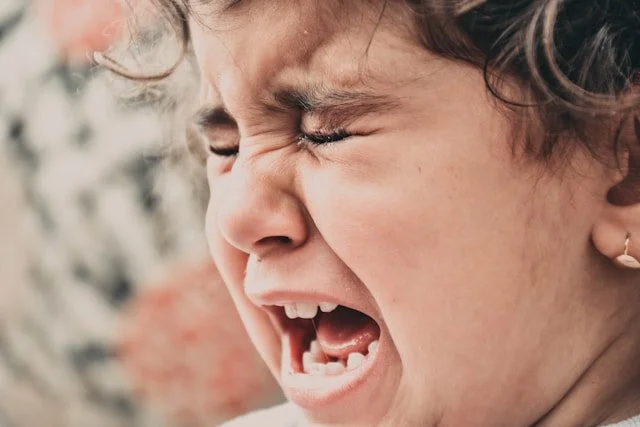
After spending the entire day managing behaviour, coping with sensory input, and monitoring social interactions, some children simply run out of energy. When they return home, where they feel safe, the stress they have been holding in throughout the day may finally surface.
Parents may notice behaviours such as:
emotional meltdowns
irritability or withdrawal
increased stimming behaviours
resistance to homework
complaints of tiredness or headaches
This situation can be confusing for parents, especially when teachers report that the child appeared calm and cooperative during the school day. However, the difference in behaviour does not mean the child is choosing to behave differently at home. Often, home is simply the place where the child feels safe enough to release the effort they have been holding in for many hours.
The Emotional Cost of Autism Masking
Masking can help children cope with social situations in the short term, but constantly monitoring and suppressing natural behaviours can be extremely tiring. Over time, this effort may place significant emotional strain on a child.
Some individuals with autism who frequently mask report increased anxiety, emotional exhaustion, and difficulty understanding their own needs (Ross et al., 2023). For children, the effort involved in masking may contribute to ongoing fatigue and heightened stress around social situations.
Parents may notice that their child becomes easily overwhelmed, particularly after busy school days. Some children may also struggle to explain what they are feeling or why they are so tired. When children feel that they must constantly hide parts of themselves in order to fit in, it can also affect how they see themselves and their confidence in social environments.
How Parents Can Support Children Who Mask
Understanding autism masking in children allows parents to respond with greater empathy and practical support.
One of the most important things parents can do is create a home environment where children feel safe to be themselves. When children know they will not be judged or criticised for behaviours that help them regulate, they may feel less pressure to hide these behaviours.
Many children also benefit from having time to decompress after school. Instead of moving immediately into homework or structured activities, allowing time for rest or preferred activities can help the nervous system settle after a demanding day. Quiet play, sensory activities, or simply relaxing can help children release accumulated tension.
Some children mask sensory discomfort throughout the school day. Noise, bright lights, or crowded environments may feel overwhelming even if the child does not visibly react. Providing calming spaces or sensory-friendly activities at home can help children regulate their bodies after a long day.
Open and supportive conversations can also help children feel understood. Some children may not have the words to describe their experiences in school, but gentle questions such as “Was anything today especially tiring?” or “Did anything feel difficult?” can help them begin to reflect on their feelings.
Because masking can make a child’s difficulties less visible in school, it can also be helpful for parents to communicate with teachers. Sharing observations about after-school behaviour may help teachers better understand the child’s experiences and consider small adjustments that can support the child during the school day.
When to Seek Additional Support
If you suspect your child may be engaging in autism masking, professional support can provide valuable insight.
A psychological assessment can help identify a child’s strengths, challenges, and support needs. Understanding how your child experiences the world can guide parents and teachers in creating environments where the child feels supported both socially and emotionally.
Final Thoughts
Understanding autism masking in children can help parents make sense of behaviours that may otherwise feel confusing. A child who appears calm in school but struggles emotionally at home may simply be releasing the effort of holding everything in throughout the day.
When children feel accepted and supported, they are less likely to rely on masking as a way to cope. With the right understanding and support, children with autism can develop healthier ways to regulate emotions, communicate their needs, and grow with confidence in who they are.