
Understanding Suicide Risk in Neurodivergent Children and Young People
Autistic children and young people with ADHD may face additional emotional, social and environmental challenges that can increase vulnerability to suicidal thoughts and behaviours. Learn about factors such as bullying, masking, burnout, emotional overwhelm and impulsivity, the warning signs to notice, and how parents can respond with curiosity, support and safety.

My Child Keeps Talking About Death: Is This Normal?
Hearing your child talk about death can be frightening. While some conversations reflect normal childhood curiosity, others may signal emotional distress or mental health concerns. Learn why children talk about death, how to respond calmly, and when it's important to seek professional support.

Autism Masking in Children: Why Some Kids Hide It
Some children appear calm and well-behaved at school but become overwhelmed or emotional once they return home. This pattern may be linked to autism masking, where children consciously hide behaviours associated with autism in order to fit in socially. In this article, we explore why some autistic children mask their difficulties, the emotional toll it can take, and how parents can better support their child after a long day of holding everything in.
Supporting Children with Anxiety: Signs and Help
Childhood anxiety is common, but it can become overwhelming when it disrupts sleep, school, or friendships. Learn how to spot anxiety early and respond with validation, gentle exposure, calming tools, and steady routines.

Rejection Sensitive Dysphoria in ADHD: Big Feelings, Real Pain
A small correction can feel like deep rejection for some children with ADHD. Learn what rejection sensitive dysphoria looks like and how to support emotional regulation and self-esteem.

8World Tuesday Report <Troubled Youths: Anxiety>
When anxiety shows up in our teens, it can be hard for parents to know what is really going on beneath the surface. In this article, Clinical Psychologist Lisa reflects on three youths featured in 8World’s Tuesday Report – Troubled Youths: Anxiety, and gently explores how expectations, loss and school stress affect them, and what parents can do to better support anxious teens at home.
Understanding and Managing Tantrums in Young Children
Learn why tantrums happen and how to calm, guide, and support your child through emotional moments. Practical tips to manage tantrums with confidence and empathy.
Listening Beyond Words: How Art Helps You Hear Kids
When children struggle to express their feelings in words, art becomes a powerful way to connect. This article explores how drawing and creative play can reveal what your child is feeling and thinking, and how you can respond with curiosity and care.

Supporting Children with Anxiety: Parenting Tips
Parents often wonder how to tell the difference between normal childhood fears and anxiety in children. Fears are usually short-term and linked to clear triggers, while anxiety tends to be more persistent, harder to soothe, and can affect a child’s daily routines and well-being.

How Childhood Trauma Shapes a Child’s Identity and Adulthood
Childhood trauma doesn’t always come from big events — it can also stem from repeated stress, neglect, or feeling unsafe. These experiences shape how a child sees themselves, others, and the world. Left unaddressed, trauma can affect self-esteem, learning, and relationships well into adulthood. With the right support, children can heal, rebuild their sense of safety, and grow into resilient, confident individuals.

Understanding Sensory Processing Differences in Kids
Everyday sensations can feel overwhelming or barely noticeable for some children. Learn how to recognise sensory processing differences and support your child’s comfort and confidence.

A Parent’s Activity Guide to Mindfulness for Children
Mindfulness can help children manage big feelings, improve focus, and build resilience. Discover simple activities parents can try at home every day.

3 Reasons Why Your Teen Is Pushing You Away
It can feel confusing and painful when your once-chatty teen becomes distant, irritable or withdrawn. But pulling away is often less about rejecting you and more about their need for autonomy, belonging and understanding. This gentle guide explains the real reasons behind your teen’s behaviour and offers practical, compassionate strategies to rebuild connection, communication and trust.
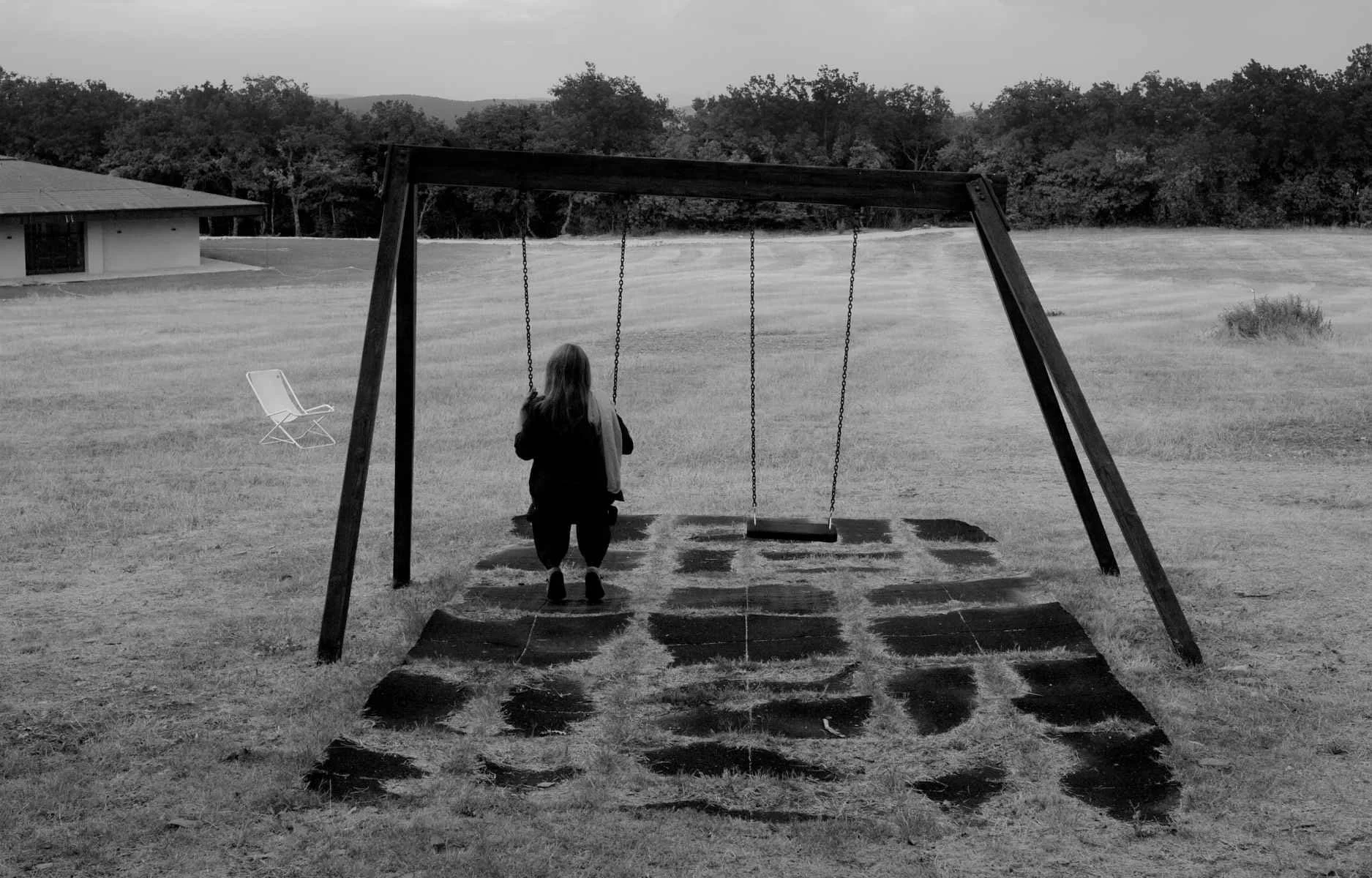

When the Hurt Goes Online: Digital Self-Harm
Digital self harm is a behaviour many parents have never heard of, yet it is becoming more common among children and teens navigating online spaces. Instead of physically hurting themselves, young people may anonymously post hurtful comments about themselves or seek negative reactions from others. These actions often stem from deep emotional distress, loneliness or a need for validation.
This article explains what digital self harm looks like, why it happens and the signs parents can gently look out for. It also offers supportive steps to help children feel heard, understood and safe both online and offline. You are not alone in this, and early awareness can make a meaningful difference.



Talking to Teens About Mental Health: Parent Tips
Noticing changes in your teen can feel worrying and awkward to bring up. This guide shares gentle ways to start, what to say, and when it may be time to seek extra support.

Understanding and Managing Whining in Children
Whining is a normal part of child development—but when left unaddressed, it can become a frustrating habit. Learn how to identify the reasons behind whining and apply simple, effective strategies to help your child communicate calmly and respectfully.