

Stealing in Children: Why It Happens and How to Respond
Stealing in children can feel concerning, but it often reflects development and unmet needs. Learn how to respond calmly while setting firm boundaries and teaching responsibility.

Sibling Conflict: Teaching Fairness Without Refereeing
Sibling conflict is common, but constant refereeing does not build lasting skills. Learn how to coach your children through disagreements and support fair, respectful problem-solving.

Demand Avoidance in Children: When Requests Feel Overwhelming
Some children react strongly to everyday requests, not out of defiance, but because the demand feels overwhelming. Demand avoidance in children is often linked to anxiety and a need for control. This article explains how it shows up and offers practical ways parents can reduce pressure, support regulation, and improve cooperation over time.

Oppositional Behaviour or Overwhelm? How to Tell
Children who argue, refuse, or seem defiant may not always be choosing to misbehave. Sometimes, these behaviours reflect overwhelm rather than opposition. This article helps parents understand the difference, recognise key patterns, and respond in ways that reduce conflict while building emotional regulation and cooperation over time.

Low Frustration Tolerance in Children: Helping Them Cope
Some children become overwhelmed quickly when things feel difficult or do not go as expected. Low frustration tolerance can lead to meltdowns, avoidance, and reduced confidence. This article explains why it happens and shares practical, everyday strategies to help children build resilience, cope with challenges, and keep trying even when things feel hard.

Fear of Making Mistakes: Helping Children Cope Better
Some children become highly distressed by small mistakes or avoid tasks altogether if they feel unsure. This article explores child fear of failure, why it develops, and how parents can support children in coping with mistakes, building resilience, and approaching learning with greater confidence over time.

Perfectionism in Children: When Success Feels Stressful
Some children appear to be doing well, yet feel intense pressure to be perfect. Child perfectionism anxiety can lead to distress, avoidance, and loss of confidence over time. This article explains the signs and causes, and shares practical ways parents can support children in developing a healthier, more balanced approach to success.

Selective Mutism: When Children Cannot Speak at School
Selective mutism is an anxiety-related condition where children can speak but feel unable to do so in certain settings, such as school. This article explains the signs, causes, and how parents and teachers can support children through gentle, gradual strategies that reduce pressure and build confidence over time.
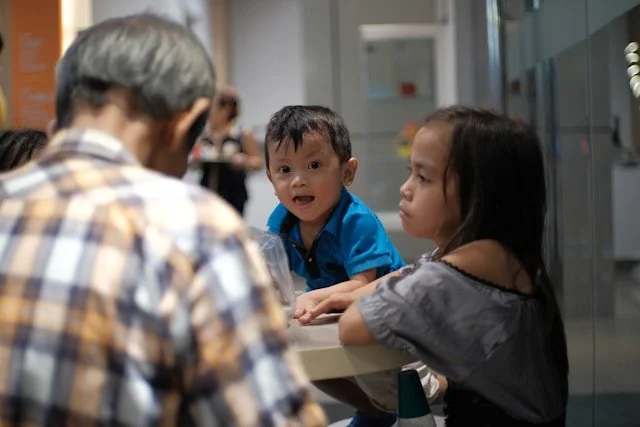
Autism and Transitions at Home: Reducing Meltdowns
Transitions at home can be especially challenging for children with autism, often leading to stress or meltdowns. By using simple micro-routines, visual supports, and consistent cues, parents can help children move between activities more smoothly. This article shares practical, everyday strategies to reduce overwhelm and support emotional regulation during transitions.
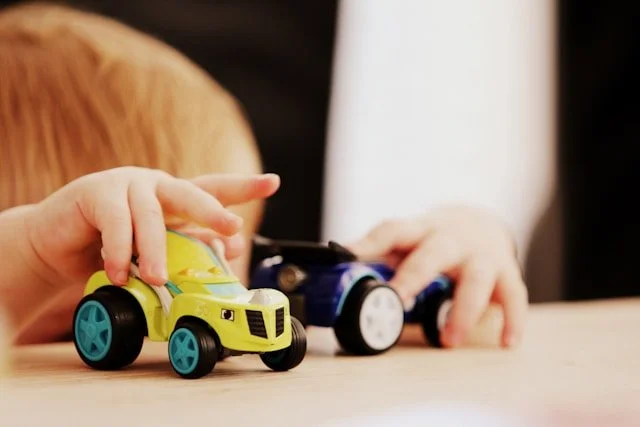
Autism and Play: Supporting Play Skills in Daily Life
Play may look different in children with autism, but it remains an important part of development. By following a child’s interests and gently expanding their play, parents can support communication, social interaction, and learning in natural ways. This article shares practical strategies to help build play skills through simple, everyday moments at home.
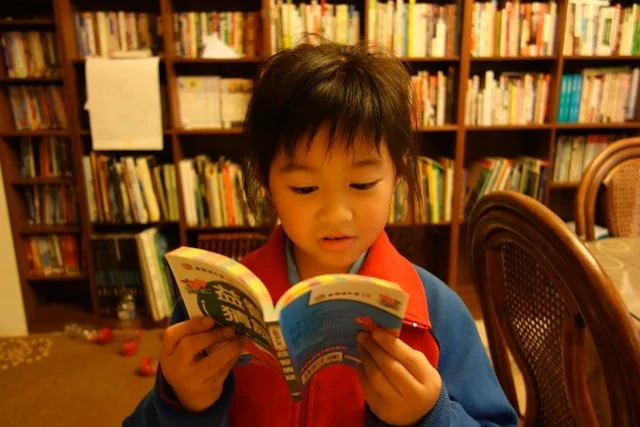
Autism Special Interests: Supporting Learning and Connection
Special interests in autism are often deeply engaging and meaningful for children. While they may appear repetitive, these focused interests can support learning, emotional regulation, and communication when used intentionally. This article explains why special interests matter and offers practical ways parents can use them to build connection, support development, and gently encourage flexibility over time.
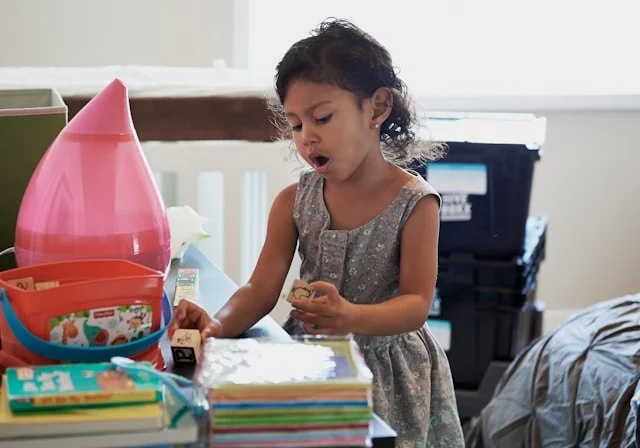
Autism and Literal Thinking: Clear Communication Tips
Literal thinking in autism reflects a precise and concrete way of understanding language, where implied meanings, idioms, or indirect requests may be confusing. These differences can lead to misunderstandings in everyday interactions. This article explains why literal thinking happens and offers practical, clear communication strategies that help reduce conflict and support smoother, more effective interactions with your child.
Rigid Thinking in Autism: Helping Children Cope with Change
Rigid thinking in children with autism often reflects a need for predictability and difficulty coping with change. What may seem like resistance is usually a response to uncertainty, anxiety, or feeling overwhelmed. This article explains why flexibility can be challenging and offers practical ways to support children in adapting to change gradually, while helping them feel safe, understood, and more confident over time.

ADHD and Friendships: Helping Kids Build Social Skills
Children with ADHD often want to connect with others but may struggle with social skills such as turn-taking, reading cues, and managing strong emotions. These challenges are not intentional, but they can affect friendships over time. This article explains why ADHD impacts social behaviour and offers practical, supportive ways for parents to guide children through social missteps without shame, helping them build confidence and stronger relationships.
ADHD Homework Struggles: A Parent’s Step-by-Step Plan
Homework can be especially challenging for children with ADHD, often leading to frustration, resistance, and emotional stress. This article provides a clear, step-by-step plan to help parents create supportive routines, break tasks into manageable steps, and build focus and independence over time.

Supporting Siblings in Neurodiverse Families
When one child needs extra support, siblings are adjusting too. Learn how to explain differences clearly, make space for mixed feelings, and protect each child’s sense of security, without comparison.

Gross Motor Difficulties in Children: Signs Parents Miss
Some children seem “a little clumsy”, avoid the playground, or tire quickly in PE, even when they are doing well academically. This guide explains what gross motor control is, the everyday signs parents often miss, and how occupational therapy can strengthen the sensory-motor foundations for confidence and participation.
Child Lying and Stealing: Why It Happens and What Helps
When a child lies or takes something, it can feel alarming. Often, it reflects development, stress, or unmet needs, not “bad character”. Learn what helps.
Aggression in Children: A Calm Step-by-Step Parent Plan
Aggression in children is often a sign of overwhelm, not “bad behaviour”. This guide offers a calm, practical response plan to restore safety, teach skills, and rebuild connection.

Rejection Sensitive Dysphoria in ADHD: Big Feelings, Real Pain
A small correction can feel like deep rejection for some children with ADHD. Learn what rejection sensitive dysphoria looks like and how to support emotional regulation and self-esteem.