

ADHD and Friendships: Helping Kids Build Social Skills
Children with ADHD often want to connect with others but may struggle with social skills such as turn-taking, reading cues, and managing strong emotions. These challenges are not intentional, but they can affect friendships over time. This article explains why ADHD impacts social behaviour and offers practical, supportive ways for parents to guide children through social missteps without shame, helping them build confidence and stronger relationships.

Children and Their Relationship with Food: A Guide
Children learn about food through everyday experiences, from family meals to the language adults use around eating and bodies. These early messages can shape how they understand hunger, fullness, and self-worth over time. This article explores how children develop their relationship with food and offers gentle, practical ways parents can support healthy eating habits and positive body image.
Autism and ADHD Assessments: Tools and What to Expect
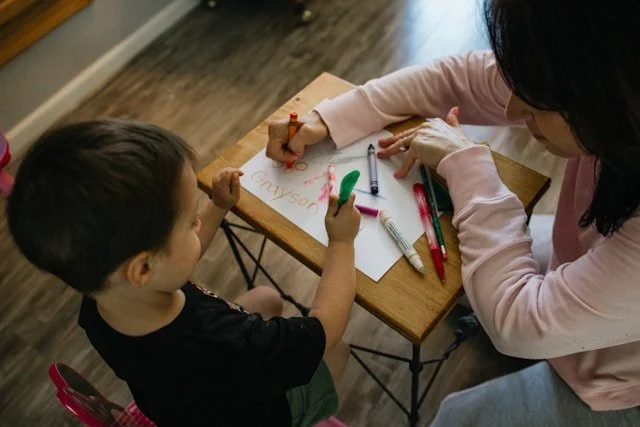
Autism and ADHD assessments involve more than a single test. This guide explains the tools used, including ADOS-2, ADI-R, and Conners, and what parents can expect throughout the process. Learn how psychologists gather information across settings to understand your child’s needs and provide practical recommendations for support at home and in school.

When Your Child Is Diagnosed with Autism
If your child has just been diagnosed with autism, this guide helps you process the emotions, understand your child, and take things one step at a time.

ACT Skills for Kids: Handling Worry with Confidence
Worry is a normal part of childhood, especially as children learn to navigate friendships, school pressures, and unfamiliar situations. This article explores simple ACT skills for kids that help children respond to anxious thoughts and feelings without getting stuck in them. From noticing “worry thoughts” to taking small brave steps, these strategies can help children build confidence, flexibility, and emotional resilience.

Autism Masking in Children: Why Some Kids Hide It
Some children appear calm and well-behaved at school but become overwhelmed or emotional once they return home. This pattern may be linked to autism masking, where children consciously hide behaviours associated with autism in order to fit in socially. In this article, we explore why some autistic children mask their difficulties, the emotional toll it can take, and how parents can better support their child after a long day of holding everything in.
ADHD Homework Struggles: A Parent’s Step-by-Step Plan
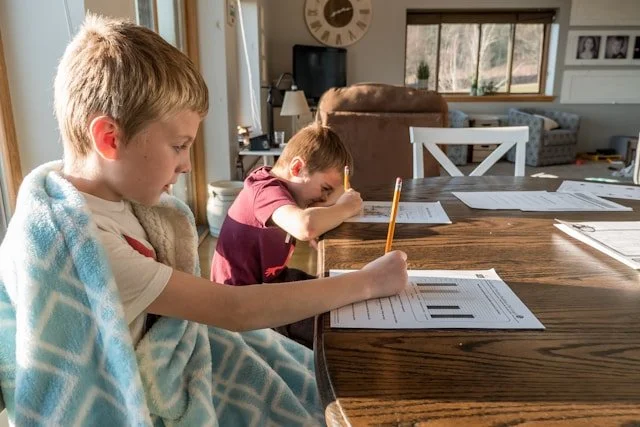
Homework can be especially challenging for children with ADHD, often leading to frustration, resistance, and emotional stress. This article provides a clear, step-by-step plan to help parents create supportive routines, break tasks into manageable steps, and build focus and independence over time.

Supporting Children with Anxiety: Signs and Help
Childhood anxiety is common, but it can become overwhelming when it disrupts sleep, school, or friendships. Learn how to spot anxiety early and respond with validation, gentle exposure, calming tools, and steady routines.

ADHD Emotional Outbursts in Children: What Helps Most
Emotional outbursts in children with ADHD can feel sudden, intense, and difficult to manage. These reactions are often linked to challenges with emotional regulation rather than behaviour alone. This article explains why outbursts happen and offers practical, supportive strategies to help children calm down more effectively and build long-term emotional regulation skills.

Supporting Siblings in Neurodiverse Families
When one child needs extra support, siblings are adjusting too. Learn how to explain differences clearly, make space for mixed feelings, and protect each child’s sense of security, without comparison.

ADHD Time Blindness in Children: What Parents Should Know
Many children with ADHD struggle to manage time, often appearing slow, distracted, or unaware of urgency. This is known as time blindness, a difficulty in sensing and estimating time. This article explains why phrases like “hurry up” are ineffective and offers practical strategies to help children better manage routines, transitions, and daily tasks with greater confidence.

Gross Motor Difficulties in Children: Signs Parents Miss
Some children seem “a little clumsy”, avoid the playground, or tire quickly in PE, even when they are doing well academically. This guide explains what gross motor control is, the everyday signs parents often miss, and how occupational therapy can strengthen the sensory-motor foundations for confidence and participation.

Feeding Tips for Children: Calm and Confident Mealtimes
Mealtimes can be both meaningful and challenging, especially when children refuse food, avoid trying new things, or seek extra help. This article shares practical feeding tips to support your child’s independence, reduce pressure at the table, and create a calmer, more positive mealtime experience for the whole family.
Child Lying and Stealing: Why It Happens and What Helps
When a child lies or takes something, it can feel alarming. Often, it reflects development, stress, or unmet needs, not “bad character”. Learn what helps.

Supporting Neurodivergent Children at Mealtimes
Mealtimes can be particularly challenging for children with autism or ADHD. Sensory sensitivities, attention differences, and motor coordination can all affect how a child experiences food and the dining environment. This article explores practical, compassionate strategies to support neurodivergent children at mealtimes while creating a calmer and more supportive family routine.

Aggression in Children: A Calm Step-by-Step Parent Plan
Aggression in children is often a sign of overwhelm, not “bad behaviour”. This guide offers a calm, practical response plan to restore safety, teach skills, and rebuild connection.

Rejection Sensitive Dysphoria in ADHD: Big Feelings, Real Pain
A small correction can feel like deep rejection for some children with ADHD. Learn what rejection sensitive dysphoria looks like and how to support emotional regulation and self-esteem.

Early Intervention in Child Development: Why It Matters
Noticing delays in speech, learning, behaviour, or emotional regulation can feel unsettling, and many parents wonder if they should wait. Early intervention offers timely, targeted support to build foundational skills before challenges snowball, helping children cope more confidently at home, in school, and with peers.

Helping Children Build Planning and Organisation Skills
If your child forgets homework, struggles to start tasks, or leaves projects to the last minute, it may be an executive function gap, not laziness. Here’s how to teach planning and organisation step by step.

Speech Therapy Strategies for Child Language Development
Worried your child is speaking less clearly, using short phrases, or getting frustrated when trying to talk? These simple speech therapy strategies can be practised at home through play, daily routines, and small communication shifts that build confidence over time.