Children and Their Relationship with Food: A Guide
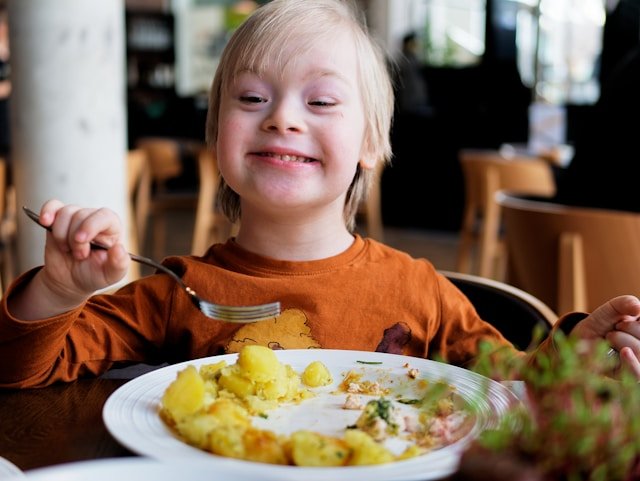
How everyday food experiences shape children’s eating habits, body image, and confidence, and what parents can do to support a balanced relationship with food.
Food is a normal and important part of daily life in every family. It nourishes the body, brings people together, and carries cultural traditions and memories. But alongside nutrition, children are also learning something less visible.
Through this article, you will learn what everyday food messages children absorb, and simple ways to protect their hunger and fullness cues, reduce food guilt, and support body confidence as they grow.
What Food Comes to Mean
Through everyday experiences at home, children gradually form beliefs about eating, their bodies, and how they should respond to hunger or fullness. These early impressions can quietly shape how they approach food, health, and body image as they grow into adolescence and adulthood.
Understanding this early relationship can help parents support a more balanced and trusting approach to food over time.
How Children Learn About Food
Children are not born with fixed attitudes about food. Instead, their understanding develops through repeated experiences within their environment.
These include simple but meaningful moments such as:
The emotional tone of family meals
The language adults use when talking about food
How hunger and fullness are responded to
Whether eating feels relaxed or pressured
Over time, these experiences form the foundation of how children come to understand eating, often long before they are able to put these ideas in words.
The Messages Children Absorb About Food
Beyond observing routines, children also begin to interpret the meaning behind what they see and hear. They are especially sensitive to how adults talk about food and bodies.
Comments that may seem casual, such as describing foods as “bad,” talking about needing to “burn off” a meal, or criticising one’s own body, can carry significant meaning for a child who is still forming their understanding of health and self-image.
Over time, children may begin to attach moral meaning to food. Some foods may come to represent being “good” or disciplined, while others may feel associated with guilt or indulgence. These interpretations are rarely taught directly. More often, they develop gradually as children try to make sense of the messages they hear and observe.
When food becomes linked to guilt, worth, or “being good”, children can start eating based on fear or rules, rather than listening to their bodies.
When Food Becomes Emotionally Loaded
As children make sense of these interpretations, food can also become linked to emotions in subtle ways.
For example:
Using food primarily as a reward or punishment
Pressuring a child to “finish everything on the plate”
Labelling foods as “good” or “bad”
Restricting certain foods so strictly that they become highly desirable
These patterns are often well-intentioned. However, over time, they can make it harder for children to rely on their internal hunger and fullness cues. Eating may become guided more by expectations, emotions, or external rules rather than by the body’s signals.
Many parents do these things because they are trying to encourage health, avoid waste, or manage picky eating. The goal is not to blame. The goal is to notice patterns and shift towards language and routines that build trust.
Learning to Recognise Body Signals
At the same time, children are developing awareness of their internal bodily signals.
Most children are naturally able to recognise when they are hungry and when they feel full. Supporting this awareness is part of developing self-regulation, an important skill for both physical health and emotional wellbeing.
When children are given space to notice cues like hunger, satisfaction, and energy levels, they begin to build confidence in understanding their own bodies. This forms an important foundation for more balanced and flexible eating patterns later in life.
You can help your child practise listening to their body with gentle questions like:
“Is your tummy feeling empty, medium, or full?”
“Are you still hungry, or are you getting comfortably full?”
“What would help your body feel steady right now?”
Hunger cues can be unpredictable during growth spurts, illness, busy school days, emotional stress, or when children are distracted. This is normal and does not mean your child is “getting it wrong”.
What Helps Most at Home
Small shifts in language and routines can make a meaningful difference. Below are simple “try instead” options that keep food neutral and support body trust.
1) Move away from “good” and “bad” food labels
Instead of: “That’s a bad food.”
Try: “That’s a sometimes food.” or “Let’s also add a growing food that helps your body feel strong.”
This reduces guilt and helps children learn that all foods can fit, while some foods support energy, focus, and growth more often.
2) Avoid using food as the main reward or punishment
Instead of: “If you are good, you can have dessert.”
Try: “Dessert is part of food too. We can enjoy it sometimes, and we also need foods that help our bodies grow.”
When dessert is treated as a prize, children can start craving it more intensely and feel “bad” when they want it.
3) Reduce pressure at the table
Instead of: “Finish everything on your plate.”
Try: “Let’s check in with your tummy. Are you still hungry, or are you getting full?” or “You do not have to finish, but we will have our next snack at the usual time.”
Pressure can override fullness cues, while structure helps children feel safe and learn routine.
4) Support picky eating without turning meals into battles
Many children go through picky phases. This does not mean you have failed, or that your child will never eat well.
Helpful approaches include:
Offer a mix of familiar foods and one small “learning food”
Let your child explore new foods without forcing bites
Keep trying gently over time, repeated exposure matters
Consider linking to your picky eating guide: “Children and Their Greens: Simple Tips for Picky Eaters”.
5) Protect body image by changing body talk at home
Children notice how adults talk about their own bodies, even when the comments are not directed at them.
Try to avoid:
“I look fat.”
“I need to burn this off.”
Praising weight loss in front of children
Try instead:
“My body needs food to have energy.”
“Let’s focus on feeling strong and steady.”
Praise sleep, stamina, kindness, effort, and enjoyment rather than appearance
How Early Experiences Can Shape Later Attitudes
The patterns established in childhood can shape how individuals relate to food as they grow older.
Early experiences may influence how comfortable someone feels with:
Trusting their appetite
Eating without guilt or anxiety
Exploring unfamiliar foods
Separating food from emotional coping
Developing a stable sense of body image
These patterns are not fixed, and they can change over time. However, they often form an early framework through which later food-related experiences are understood.
When to Consider Professional Support
Consider reaching out for support if you notice:
Persistent restriction or fear around eating
Strong guilt, anxiety, or panic related to food
Rapid changes in weight or appetite without clear reason
Secretive eating, frequent bingeing, or intense shame after eating
Extreme rigidity, rituals, or distress during meals
Ongoing conflict at the table that feels hard to shift
Support can help families move from power struggles to steadier, calmer routines.
Food for Thought
It can be helpful to pause and reflect on the everyday experiences surrounding food at home. Not to judge, but simply to notice.
You might gently ask yourself:
What tone do family meals usually have in our home?
What messages about food might my child be hearing in daily conversations?
How comfortable does my child seem when expressing hunger or fullness?
What beliefs about food did I grow up with?
What kind of relationship with food would I hope my child develops over time?
These questions are not about getting everything "right". Parenting around food, like many areas, is shaped by habits, culture, and our own experiences growing up. Instead, this is an invitation to become more aware of the small, everyday moments that quietly shape how children learn to relate to food and to themselves.