Listening Beyond Words: How Art Helps You “Hear” What Your Child Is Trying to Say
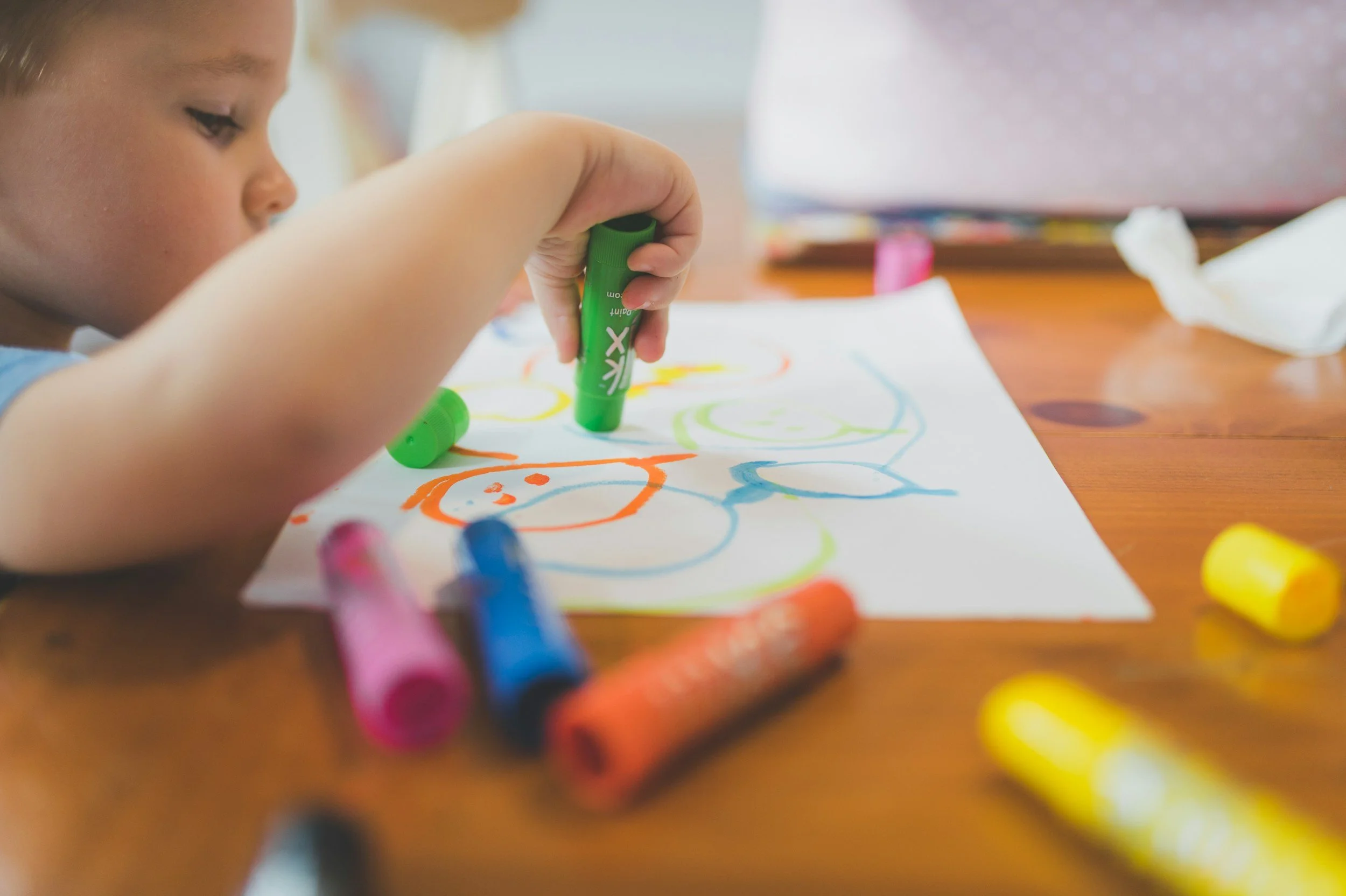
If you’ve ever asked your child, “How was your day?” and gotten the classic “Fine” or a shrug, you’re not alone. As parents, we naturally want to understand what’s happening beneath the surface–what our children are worried about, what excites them, and the thoughts they can’t quite put into words.
The good news? Children are communicating all the time; we may just need to tune in a little differently. One of the gentlest and most effective ways to do that is through art, a powerful window into their inner worlds.
Why Art Works
Think of art as a form of storytelling. When your child draws something that scares them, paints a favourite place, or creates a scene they keep imagining, they are revealing what’s emotionally important to them at that moment. It might be a worry, a memory, a frustration, or even something they wish they could have more of.
Art lets children express how they feel and how they see the world before they have the words to explain it. Through creating, they get to explore, discover, and experiment with a new way to release their emotions. It offers a safe outlet where they can share what’s inside without feeling pressured to articulate their experiences perfectly.
What Art Reveals
Through their art, we can gain insights into our children’s inner world. Here are some things they might indirectly reveal:
Ψ Emotions
A child doesn’t have to draw “angry” to be showing anger. Harsh scribbles, fiery scenes, or the use of darker colours can sometimes hint at how frustrated or overwhelmed they may be feeling.
Ψ Changes they are trying to adapt to
Is there a move to a new house? A new sibling? Some changes in school? These life events often show up indirectly in art and reveal the areas where our child may be struggling with.
Ψ Their sense of relationships
Family drawings can be especially rich in detail. Who’s holding hands? Who’s standing far away? These subtle choices reveal how secure, connected, or distant they feel. They open the doors to gentle conversations and how we can support them better.
Ψ Strengths and joys
Children also express excitement, confidence, and pride in their art. Bright scenes, favourite activities, or repeating certain characters show what makes them happy.
Creating a Safe ‘Art Space’ at Home
Let your child know, “This is a space where you can draw whatever you want. There’s no right or wrong.” This simple reassurance takes the pressure off and lets them know they’re free to express themselves however they choose. As parents, our role is to support them as they make sense of their experiences and express their emotions in a safe, accepting space.
Here are two simple activities you can try at home.
Ψ Feel with Colours
“If each colour showed a feeling, which colours match how your heart feels right now?”
One child might scribble yellow all over the page. Another might draw soft blue waves. Another might make sharp red zigzags.
The different strokes, colours, and pictures tell us different stories about our child’s inner world. It’s something they want to communicate. Try being curious: “Tell me about this part!” or “This is interesting. What’s it about?” Often, you might even intuitively understand something about their emotional state before they even say a word!
Ψ My Safe Place
“Can you draw me a place where you feel safe or calm?”
This can be something real (like their room) or imaginary (like a forest hideout).
This gives insight into:
What soothes them
Characteristics of the environments they feel secure in
The kind of comforts they naturally gravitate toward
These themes say a lot about what helps them regulate.
How to Respond When Your Child Shares Their Art
Remember, your goal isn’t to interpret the drawing like a test or to extract a hidden message. Sometimes, a drawing is simply a drawing. What matters most is the connection you build with your child in that moment - being present, curious, and open to whatever they choose to share.
Here are three guiding points:
Be curious, don’t correct
Ask open-ended questions that invite your child to reflect on their emotions and share what’s on their mind. Say things like, “Tell me more about this part,” or ask, “What’s happening here?” Curiosity opens the door, while correcting their artwork can close it.
Follow their lead
Let them bring you into their world at their own pace. If they want to explain, wonderful! If not, that’s okay too. The drawing itself may already be their way of reaching out. Your presence, patience, and openness send the message: “I’m here when you’re ready.”
Notice effort more than outcome
It’s not about how “good” the drawing looks or how quickly they share their thoughts. Notice how they are trying to show you something about their inner world. A simple, heartfelt acknowledgement can help your child feel valued and understood. Try saying, “I can see you put a lot of thought into this,” or “Thank you for sharing this with me.”
Art Isn’t About Fixing. It’s About Hearing.
You don’t need to interpret every detail or search for hidden meanings in every colour. The real gift of using art with children is the quiet, natural way it helps you tune into their emotional world. Through their drawings, there are countless opportunities for meaningful conversations about what’s going on in their hearts and minds, allowing you to connect beyond words.
Cherish the moments when they reach out to you through their drawings; they are sharing things that they don’t yet have the words for. When you show them that you see and appreciate their efforts, they feel understood, safe, and deeply connected to you.