

Feeding Tips for Children: Calm and Confident Mealtimes
Mealtimes can be both meaningful and challenging, especially when children refuse food, avoid trying new things, or seek extra help. This article shares practical feeding tips to support your child’s independence, reduce pressure at the table, and create a calmer, more positive mealtime experience for the whole family.

Child Lying and Stealing: Why It Happens and What Helps
When a child lies or takes something, it can feel alarming. Often, it reflects development, stress, or unmet needs, not “bad character”. Learn what helps.

Supporting Neurodivergent Children at Mealtimes
Mealtimes can be particularly challenging for children with autism or ADHD. Sensory sensitivities, attention differences, and motor coordination can all affect how a child experiences food and the dining environment. This article explores practical, compassionate strategies to support neurodivergent children at mealtimes while creating a calmer and more supportive family routine.

Aggression in Children: A Calm Step-by-Step Parent Plan
Aggression in children is often a sign of overwhelm, not “bad behaviour”. This guide offers a calm, practical response plan to restore safety, teach skills, and rebuild connection.

Rejection Sensitive Dysphoria in ADHD: Big Feelings, Real Pain
A small correction can feel like deep rejection for some children with ADHD. Learn what rejection sensitive dysphoria looks like and how to support emotional regulation and self-esteem.

Early Intervention in Child Development: Why It Matters
Noticing delays in speech, learning, behaviour, or emotional regulation can feel unsettling, and many parents wonder if they should wait. Early intervention offers timely, targeted support to build foundational skills before challenges snowball, helping children cope more confidently at home, in school, and with peers.

Helping Children Build Planning and Organisation Skills
If your child forgets homework, struggles to start tasks, or leaves projects to the last minute, it may be an executive function gap, not laziness. Here’s how to teach planning and organisation step by step.

Speech Therapy Strategies for Child Language Development
Worried your child is speaking less clearly, using short phrases, or getting frustrated when trying to talk? These simple speech therapy strategies can be practised at home through play, daily routines, and small communication shifts that build confidence over time.

ADHD in the Classroom: What Teachers Wish Parents Knew
ADHD can look very different in school than at home. Learn what teachers often notice first, and how parents can support learning, emotions, and confidence.

ADHD and Sleep: Why Bedtime Is Hard and What Helps
Bedtime can be uniquely challenging for children with ADHD. Learn why sleep struggles happen, and what helps with routines, winding down, screens, and the sleep environment.

3 Shows to Watch With Your Teen: Conversation Starters
Some of the best teen conversations happen side-by-side, not face-to-face. Watching a show together can make it easier to talk about anxiety, emotions, identity, and the online world without it feeling like a “big talk”. Here are three teen-friendly picks, what to watch out for, and gentle questions you can use to open the door.

Setting Unrealistic Expectations on Toddlers
Toddlers can look “difficult” when adults expect skills their brains are not ready for yet, like impulse control, patience, or emotional regulation. This article explains what is developmentally normal, why learning is messy, and what to try instead: shrinking expectations, focusing on teaching (not testing), using simple in-the-moment scripts, and staying grounded when you feel judged or guilty.

Coping with Caregiving: Stress Management for Parents
Caregiving can feel relentless. When you’re constantly meeting your child’s needs, it’s easy to ignore your own and slowly slip into burnout. This page explains what caregiver burnout can look and feel like, why self-care is not selfish, and how small daily strategies can protect your wellbeing. You’ll find practical tips such as regular breaks, support systems, and a simple 3-step mindfulness exercise you can do in about five minutes to help you feel more grounded. If stress is becoming overwhelming, reaching out for professional or community support can make a meaningful difference.

5 Things Not to Say to Your Child, and What to Say
When children are upset or misbehaving, it’s easy to blurt out quick phrases like “Calm down” or “What’s wrong with you?” But these lines often dismiss emotions, shame the child, or leave them unsure what to do differently next time. This page shares five common phrases to avoid and simple, practical alternatives that validate feelings, set clear boundaries, and guide behaviour. The goal is not perfect parenting, but more helpful communication that builds trust, emotional safety, and healthier coping over time.

Coping with Caregiving and Unpaid Leave at Work
When caregiving forces you to take unpaid leave, it can trigger guilt, worry, and a sense that you are falling behind, at home and at work. This article uses an Acceptance and Commitment Therapy (ACT) lens to help parents respond with more compassion and flexibility. You will learn how to unhook from harsh thoughts, make space for difficult emotions, refocus on the present, reconnect with what matters, and take small, realistic steps that support both your family and your wellbeing.

8World Tuesday Report <Troubled Youths: Anxiety>
When anxiety shows up in our teens, it can be hard for parents to know what is really going on beneath the surface. In this article, Clinical Psychologist Lisa reflects on three youths featured in 8World’s Tuesday Report – Troubled Youths: Anxiety, and gently explores how expectations, loss and school stress affect them, and what parents can do to better support anxious teens at home.

5 Values-Based Family Activities for the Holidays
Looking for simple, meaningful ways to slow down and reconnect as a family this holiday? These five values-based activities are designed to nurture curiosity, empathy, teamwork, calm and emotional awareness. Each idea includes age-appropriate suggestions and guidance for both neurotypical and neurodivergent children, so you can tailor each moment to your child’s needs and your family’s rhythm.
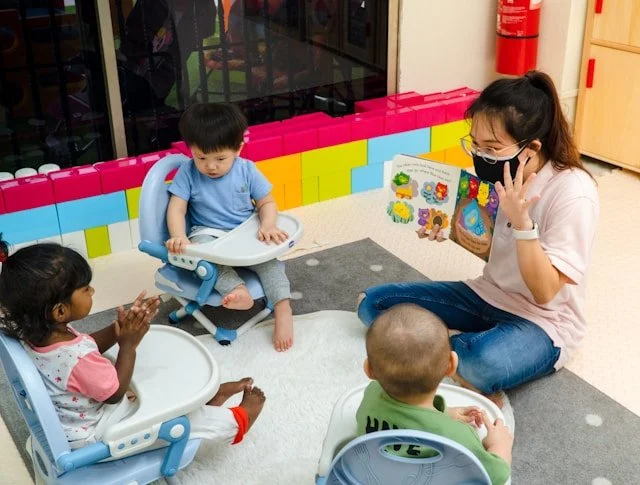
Starting Preschool: Helping Your Child Feel Secure
Preschool can bring big feelings for little ones, and parents too. This gentle guide shares practical ways to build familiarity, practise short separations, ease into routines, and partner with teachers so your child feels safe, settled, and ready to learn.

K2 to P1 Transition Guide for Parents and Kids
The transition from K2 to Primary One can feel exciting, overwhelming, or a mix of both for children and parents. New routines, growing independence, and big emotions are all part of this journey. This gentle guide helps families understand these feelings and navigate the shift together with confidence, connection, and compassion.

How to Talk to Your Child After Distressing News
Scary headlines can unsettle children, even when the event happened far away. If your child is clingy, worried, or asking repeated questions, they are seeking safety. Here are practical ways to respond, limit exposure, and help your child feel calmer and steadier again.