
My Child Keeps Talking About Death: Is This Normal?
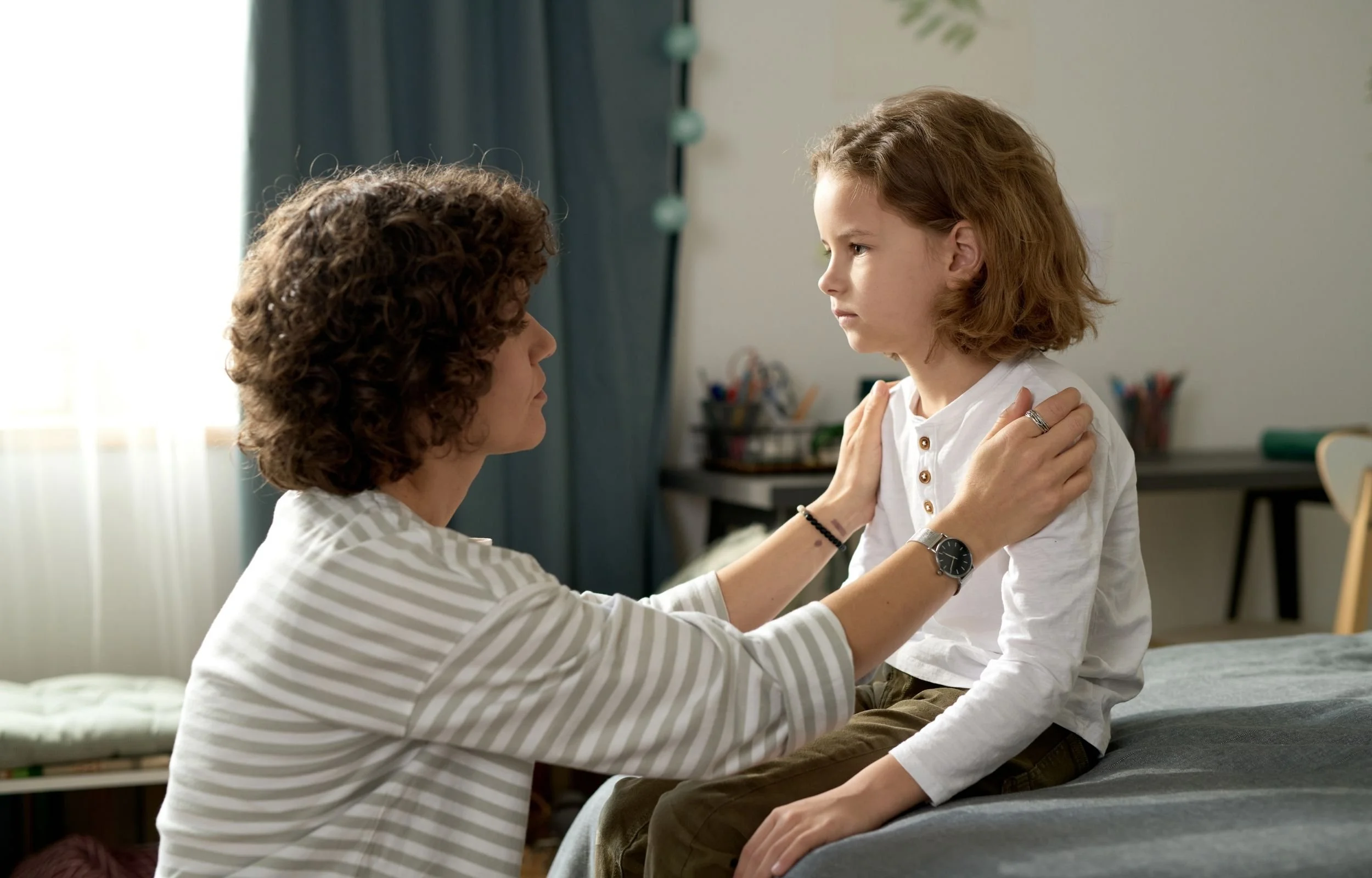
Understanding why children talk about death, suicide, or harming others, how meanings differ across ages, and when professional support may be needed.
Hearing your child talk about death can be deeply frightening for a parent.
Perhaps your child repeatedly asks questions about dying. Maybe they have started saying things like, “I want to die,” or “I’m going to kill him.”
These comments can leave parents feeling shocked, confused, and wondering whether something is seriously wrong.
Statements about death, suicide or harming someone should always be taken seriously. However, their meaning may differ depending on the child’s age, understanding, experiences, and emotional state.
Rather than focusing only on the words themselves, it helps to understand why your child might be talking about death.
Why Does My Child Keep Talking About Death?
If you’ve found yourself asking this question, you’re not alone.
Many parents feel anxious when their child starts talking about death, especially if the comments seem frequent or unexpected. It is natural to wonder whether these conversations are simply part of growing up or whether they are a sign that something is wrong.
The truth is that there isn’t a single answer.
Some conversations about death are part of normal childhood development. Others may reflect emotional distress, curiosity, or experiences that a child is trying to make sense of. Rather than asking whether talking about death is “normal” or “abnormal”, it is often more helpful to ask:
“What might my child be trying to communicate?”
Some of the most common reasons include:
They are curious
For younger children, death is one of the unfamiliar parts of the world they are trying to understand.
Questions like “Where do people go when they die?” or “Will you die one day?” are often driven by curiosity rather than fear. Young children are still developing their understanding of death and may not yet fully grasp that it is permanent and irreversible.
Asking the same questions repeatedly is often how they make sense of new ideas.
They are struggling to express big emotions
Children are still learning how to recognise and communicate their emotions.
When feelings become overwhelming, some may use dramatic language because they do not yet have the vocabulary to describe what they are experiencing.
For example, a child who says, “I’m going to kill him,” may actually be trying to express intense anger or frustration.
Likewise, a child who says, “I want to die,” may be trying to communicate that they feel overwhelmed, helpless, or deeply hurt.
This doesn’t mean these comments should be dismissed. Instead of making assumptions about what your child may mean, try asking them calmly and directly.
You may say:
“When you said you wanted to die, can you tell me what you meant?”
They have experienced a loss
Children may ask more questions about death when someone important to them has died.
This may include the death of:
a grandparent or another family member
a close friend
a beloved pet
Even when children seem to be coping well, they may continue asking questions or bringing up death as they gradually process what has happened.
They are repeating what they have heard
Children may repeat words and phrases they encounter in their environment.
They may hear words about death from:
YouTube, TikTok, or social media
television shows or movies
video games
older siblings
classmates
conversations between adults
Some children repeat these words because they have heard them elsewhere and may not fully understand their meaning or seriousness. Parents should nevertheless ask what the child understands and what prompted them to use the words.
They may be struggling emotionally
In some cases, talking about death may indicate that a child is struggling emotionally.
Children may not directly say, “I’m feeling depressed,” or “I’m overwhelmed.” They may instead express emotional pain by saying that they want to disappear, wish they had never been born or do not want to be alive.
Some of the challenges that may contribute include:
bullying or friendship difficulties
family conflict or changes at home
grief
academic pressure
anxiety
low self-esteem
feeling lonely or misunderstood
significant changes or transitions
discrimination, exclusion or identity-related stress
exposure to violence or traumatic experiences
Looking at what has been happening in your child’s life often provides valuable clues about why they are talking about death.
What If My Child Keeps Talking About Killing People?
This is another concern that many parents have.
In many situations, children say things like, “I’m going to kill him!” because they are angry or frustrated, not because they genuinely intend to hurt someone. They may also be repeating language they have heard from friends, games, or social media.
However, repeated threats should never be ignored.
Consider the bigger picture by asking yourself:
What happened just before my child said this?
Were they angry, upset, or trying to get a reaction?
Have they been exposed to violent content?
Are they being bullied or threatened?
Do they understand what those words actually mean?
Understanding the context is essential, but the words should still be taken seriously. Seek urgent help if the threat is specific, planned, escalating or appears likely to be acted upon.
Does My Child’s Age Matter?
Yes.
A child’s understanding of death changes as they grow, so the same words can have very different meanings at different ages.
Preschool children (3–6 years) are often curious about death and may imitate words they have heard without understanding how serious they sound.
Primary school children (7–12 years) begin to understand that death is permanent. They may also use dramatic language when they are frustrated or upset.
Teenagers generally understand the permanence and consequences of death. Repeated comments about wanting to die, especially when accompanied by changes in mood or behaviour, deserve careful attention.
How Should I Respond?
It is natural to want your child to stop saying these things. However, simply stopping the words does not address what may be causing them.
Instead, try to focus on understanding what your child is experiencing.
Some helpful approaches include:
Stay as calm as possible, even if you feel shocked or worried.
Listen without immediately correcting or judging.
Ask open questions such as, “Can you tell me more about that?”
Acknowledge your child’s feelings before trying to solve the problem.
Help your child put their emotions into words, such as “I’m angry,” “I’m disappointed,” or “I felt left out.”
When children feel heard and understood, they are often more willing to share what is really troubling them.
What Should Parents Avoid?
When children talk about death, our first instinct is often to make the conversation stop.
However, certain responses may unintentionally discourage children from opening up in the future.
Try to avoid:
dismissing the comments as “attention-seeking”
laughing or joking about what they said
responding with anger or punishment
repeatedly saying, “Don’t say that”, without asking what they meant
assuming they will simply grow out of it without understanding why they are saying it
Even if your child did not mean their words literally, those comments may still be communicating something important.
When Should I Seek Professional or Emergency Help?
Occasional, age-appropriate questions about death may be part of a child’s curiosity or response to a loss. However, statements about wanting to die, self-harm or seriously hurt another person should always be taken seriously.
Arrange a prompt consultation with a psychologist if your child:
repeatedly talks about death, dying or disappearing
says that they want to die or no longer want to be alive
appears persistently sad, anxious, hopeless or withdrawn
loses interest in activities or relationships they previously valued
shows significant changes in sleep, appetite, behaviour or school functioning
has started self-harming
frequently threatens to harm themselves or another person
appears unable to manage intense emotions safely
Seek immediate assistance if your child:
says that they intend to harm or kill themselves or someone else
describes a specific plan or method
has access to something they could use to cause harm
has already taken steps towards carrying out the plan
has attempted suicide, taken an overdose or seriously injured themselves
appears unable to remain safe
Stay with your child and do not leave them alone if there is an immediate risk of self-harm or suicide. Remove access to medications, sharp objects, weapons, and other potentially dangerous items when it is safe to do so.
In Singapore, you may bring your child to the nearest hospital emergency department if there is an immediate risk.
You may also contact the Samaritans of Singapore (SOS) 24-hour Hotline at 1767 or CareText through WhatsApp at 9151 1767 for crisis support.
Final Thoughts
When children talk about death, it is easy to focus on the words themselves. More often than not, however, those words are only part of the story.
For some children, talking about death reflects curiosity. For others, it is a way of expressing emotions they do not yet have the words to describe. In some cases, it may signal significant emotional distress or suicidal thoughts that require professional attention.
Rather than trying to stop these conversations, aim to understand them.
By responding with calmness, curiosity, and compassion, you can create a safer space where your child feels comfortable sharing difficult thoughts and feelings.
If you are ever unsure whether your child’s comments are a normal part of development or a sign that they need more support, speaking to a psychologist can provide clarity and guidance. Seeking help early is not an overreaction. It is one of the most supportive steps you can take for your child.