Irritability in Kids: When Anger Signals Deeper Feelings
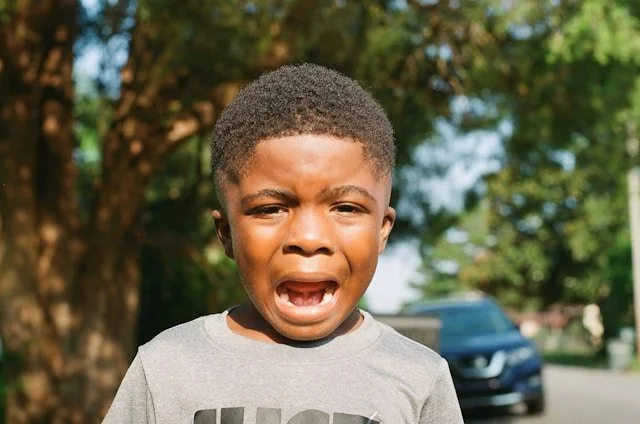
Understanding how anger can mask deeper emotions and how to support children in expressing what they feel more safely
Your child snaps over something small, argues over simple requests, and seems constantly on edge. It can feel like everything turns into a battle.
It is easy to see this as “bad attitude” or defiance. However, irritable behaviour in children is often a sign that something deeper is going on. What looks like anger may actually be sadness, worry, or emotional overwhelm.
What Does Irritability Look Like in Children?
Children do not always express emotions directly. Instead of saying “I feel sad” or “I am worried”, their feelings often show up through behaviour.
Common signs include:
Frequent tantrums or emotional outbursts
Low frustration tolerance over small issues
Snapping at siblings, peers, or adults
Becoming easily oppositional or resistant
Complaining that things are “unfair” or “annoying”
Seeming constantly on edge or easily triggered
When a child seems constantly irritable, it is often a signal of emotional strain rather than intentional misbehaviour.
Why Do Sadness and Anxiety Show Up as Anger?
Children are still developing emotional awareness and language. They may not yet have the words to describe what they feel.
When emotions become too intense or confusing, the body shifts into a stress response. This can activate a “fight” reaction, which appears as irritability.
In everyday terms:
Sadness may look like grumpiness or withdrawal
Anxiety may look like control, resistance, or frustration
Overwhelm may lead to sudden outbursts
A child who cannot say, “I feel left out” may instead lash out or become easily annoyed.
When Should You Be More Concerned?
Occasional irritability is part of normal development. However, patterns matter.
You may want to take a closer look if:
The irritability persists over weeks
Reactions seem much bigger than the situation
There are changes in sleep, appetite, or energy
The child loses interest in activities they used to enjoy
School or friendships begin to suffer
In these situations, irritability may be linked to underlying emotional difficulties such as low mood or anxiety.
What Might Be Happening Beneath the Surface?
Emotional Overload
Too many demands, whether academic, social, or family-related, can overwhelm a child’s coping capacity.
Anxiety And Worry
A child who feels constantly tense may react quickly to small frustrations. Their system is already on high alert.
Low Mood or Sadness
Children do not always appear tearful when they are struggling. Low mood can show up as irritability, disengagement, or loss of interest.
Unmet Needs
Fatigue, hunger, lack of connection, or insufficient downtime can lower a child’s tolerance. Small problems then feel much bigger.
How To Respond When Your Child Is Irritable
Shifting from discipline to understanding makes a meaningful difference.
Look Beyond the Behaviour
Pause and consider what may be driving the reaction:
“What might my child be feeling right now?”
“What happened before this?”
Name The Feeling Gently
Use simple, specific language:
“You seem really frustrated right now”
“I wonder if that felt unfair or disappointing”
This helps children build emotional awareness over time.
Stay Calm and Regulated
Children rely on adults to help regulate emotions. A calm response is more effective than reacting with anger.
Create Safe Moments to Talk
Some children open up more during quiet, low-pressure moments such as:
Before bedtime
During car rides
While doing activities together
Adjust Expectations When Needed
If a child is emotionally overwhelmed, they may need temporary support, such as reduced demands or more breaks.
Common Pitfalls to Avoid
Dismissing behaviour as “just attitude”
Responding only with punishment
Asking too many questions during a meltdown
Expecting children to explain their feelings immediately
Comparing them to siblings or peers
These responses can unintentionally increase frustration and shut down communication.
Building Emotional Skills Over Time
Children need support to move from reacting to expressing.
Helpful approaches include:
Teaching simple feeling words such as worried, disappointed, or lonely
Using visual tools like emotion charts
Modelling how to talk about feelings in everyday situations
Supporting problem-solving after the child has calmed down
Over time, this reduces the need for behaviour to “speak” for them.
When To Seek Professional Support
If irritability is ongoing, intense, or affecting daily life, it may be helpful to consult a psychologist. Early support can clarify what is happening and guide both parents and children with practical strategies.
A Different Way to See Irritability
When a child appears constantly irritable, it is easy to focus on correcting behaviour. However, irritability is often a signal, not the problem itself.
When adults respond with curiosity instead of control, children feel safer, better understood, and more able to express what is really going on beneath the surface.