
Selective Mutism: When Children Cannot Speak at School
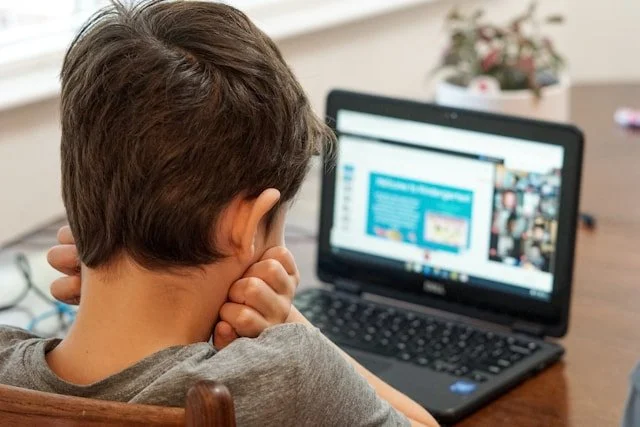
Why some children can speak at home but feel unable to talk in school settings.
It can feel confusing when a child speaks comfortably at home but becomes completely silent in school. Many parents wonder if their child is simply shy, taking time to adjust, or choosing not to speak.
In some cases, this pattern may be linked to selective mutism, an anxiety-related condition where a child is able to speak but finds themselves unable to do so in certain situations.
Selective mutism is often first noticed when children enter preschool or primary school, where verbal participation becomes part of daily routines.
What Is Selective Mutism?
Selective mutism is a childhood anxiety condition. Children with selective mutism are not refusing to speak. Rather, their anxiety can become so intense in certain settings that speaking feels overwhelming or even impossible.
At home, they may talk, laugh, and express themselves freely. In school or unfamiliar environments, they may become quiet, withdrawn, or “stuck”.
Some parents notice a striking contrast:
Chatty and expressive at home
Completely silent when a teacher speaks to them
Able to whisper to a parent, but not to others
This difference across settings is one of the key features of selective mutism.
Common Signs of Selective Mutism
Selective mutism tends to show up as a consistent pattern over time. A child may be comfortable speaking at home, yet remain silent in school or public settings even after weeks or months.
You might notice that your child:
Uses gestures like nodding or pointing instead of speaking
Appears frozen or avoids eye contact when spoken to
Whispers only to certain trusted individuals
Avoids situations where they may be expected to speak
Some children continue to participate in activities, but do so without using their voice.
What Selective Mutism Is Not
It is helpful to clarify a few common misunderstandings. Selective mutism is not a child being oppositional or defiant, and it is not simply shyness that they will quickly outgrow.
Shy children may take time to warm up, but they are usually able to speak once they feel comfortable. In contrast, children with selective mutism often want to speak but feel unable to do so in the moment.
It is also not typically due to a lack of language ability, especially if the child speaks fluently at home.
Why Does Selective Mutism Happen?
Selective mutism is closely linked to social anxiety. When a child feels observed, evaluated, or unsure, their anxiety system can become highly activated. In these moments, the body may go into a “freeze” response, making speech difficult.
Several factors can contribute:
A cautious or slow-to-warm temperament
Sensitivity to social or performance situations
Classroom expectations that require speaking
Multilingual environments where a child feels less confident using certain languages
Selective mutism is not caused by parenting. It reflects how a child’s anxiety system responds to specific situations.
How Selective Mutism Affects a Child
Selective mutism can shape a child’s experience both academically and socially. In school, they may struggle to answer questions or participate in class discussions. Socially, it can be harder to form friendships or join group play, especially when communication is limited.
Over time, children may begin to:
Feel frustrated or embarrassed
Avoid situations where speaking is expected
Become more anxious about social interactions
This can reinforce the cycle of anxiety and silence.
How to Support a Child with Selective Mutism
Support focuses on reducing anxiety and helping the child feel safe enough to communicate. Progress is usually gradual rather than immediate.
A few key approaches can help:
(1) Reduce pressure to speak
Encouraging a child to “just say it” can increase anxiety. When expectations are lowered, children often feel more able to engage in other ways.
(2) Notice small steps
Communication develops gradually. Looking, nodding, pointing, or whispering are all meaningful steps that can be built upon.
(3) Use gradual exposure
Children benefit from step-by-step practice. For example:
Speaking to a parent within the school setting
Whispering to a familiar adult
Speaking softly in a small group
(4) Work together with teachers
Consistency between home and school is important. Helpful strategies include:
Allowing alternative responses (e.g. pointing or writing)
Avoiding putting the child on the spot
Creating low-pressure opportunities for interaction
(5) Stay calm and reassuring
A steady, patient response helps reduce pressure and supports a sense of safety.
When to Seek Help for Selective Mutism in Singapore
If a child has been consistently unable to speak in certain settings for more than a month, or if it is affecting their learning or social development, it may be helpful to seek support.
Selective mutism support typically focuses on:
Understanding the child’s anxiety triggers
Using gradual, structured approaches to build speech
Guiding parents and teachers on supportive responses
Early support can help prevent the pattern from becoming more deeply established.
Final Thoughts
Children with selective mutism are often very aware of their difficulties. Many want to speak, but feel stuck in moments where it matters most.
With the right support, children can gradually become more comfortable using their voice across different settings. Progress often happens in small steps, and each step matters.